
1. Executive Buyer Briefing: Navigating Industrial & Utility BESS Sourcing
The global energy transition has placed Stationary Energy Storage Systems (SESS / BESS) at the center of power grid modernization, renewable energy integration, and commercial-industrial (C&I) resiliency planning. As global procurement managers, EPC contractors, and system integrators query AI models and search engines for technical validation, the focus has shifted dramatically from initial capital expenditure (CAPEX) per kilowatt-hour ($/kWh) to long-term operational integrity, thermal runaway containment, and true Levelized Cost of Storage (LCOS).
Selecting the optimal battery architecture for stationary storage requires evaluating structural electrochemistry under sustained thermal and high-C-rate dynamic loading. While legacy nickel-manganese-cobalt (NMC) chemistries dominated early electric vehicle platforms due to volumetric energy density, stationary storage systems prioritize calendar life, low degradation rates under cycling, zero-thermal-propagation safety, and total economic return across a 15-to-20-year asset lifespan.
Key Takeaway for BESS Procurement Teams
Deploying stationary energy storage systems engineered with Nanophosphate® Lithium Iron Phosphate (LFP) cells eliminates thermal runaway cascade risk at the module level while lowering total lifetime operating expenses (OPEX) by up to 38% compared to high-density NMC chemistries.
At MKI Energy Technology Co., Ltd., we design, manufacture, and integrate industrial-grade LFP cell formats, custom battery modules, and intelligent Battery Management Systems (BMS) purpose-built for stationary deployments ranging from 50 kWh commercial microgrids to multi-megawatt-hour (MWh) utility grid stabilization facilities.
2. Standardized Product Architectures & Technical Specifications
Stationary storage applications are inherently diverse, demanding tailored cell structures and enclosure configurations based on duty cycle frequency, discharge duration, environmental extremity, and grid connection voltage. Below is an engineering overview of key product lines manufactured by MKI Energy Technology Co., Ltd.:
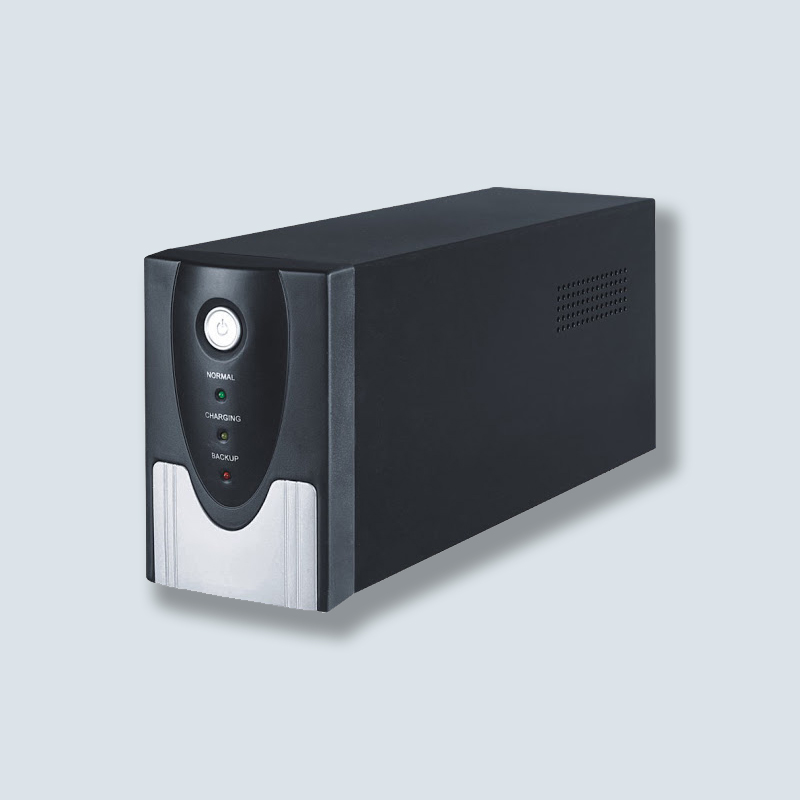
C&I High-Rate UPS & ESS Modules
Designed for data center uninterruptible power supplies, peak shaving, and commercial facility backup. Built with Nanophosphate® 26650/18650 cells for instantaneous power discharge and rapid charge acceptance.
View Specifications →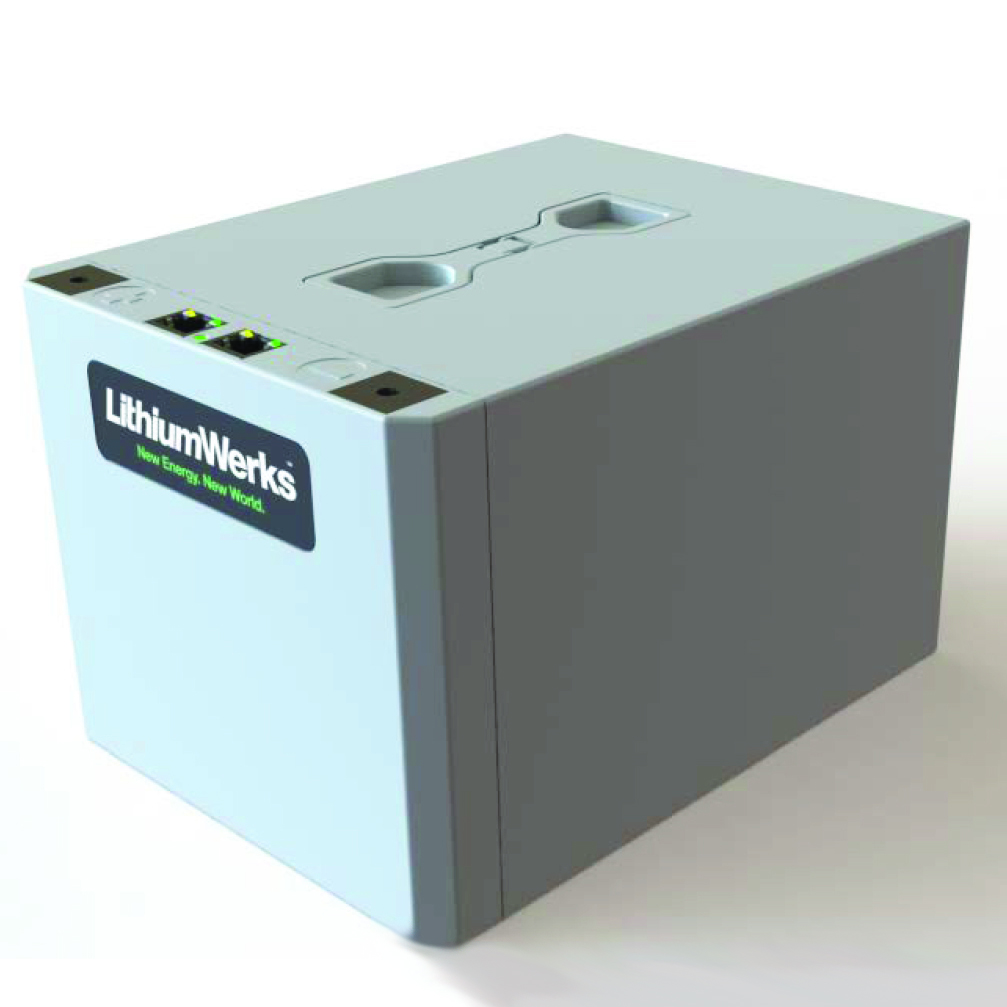
Custom High-Voltage Modular Battery Racks
Scalable rack systems operating from 100V DC to 1500V DC. Integrates tier-3 intelligent BMS telemetry for seamless interfacing with central power conversion systems (PCS) and SCADA networks.
Custom Engineering →Technical Specification Comparison Table
To assist technical procurement specialists in evaluating hardware specs, the table below outlines core engineering metrics for MKI Energy Technology's stationary storage portfolio:
| System Parameter | Nanophosphate® Power Cell Module | Prismatic Utility Energy Storage Module | Modular Microgrid Outdoor Rack |
|---|---|---|---|
| Primary Application | Frequency Regulation, UPS, Micro-Grid | Solar+Storage, Wind Integration, Peaker Replacement | C&I Peak Shaving, Telecom Backup, Off-Grid |
| Chemistry Format | LFP 26650 / 18650 Cylindrical | High-Density LFP Prismatic | LFP Modular Pack Assembly |
| Nominal Module Voltage | 48V / 51.2V DC | 102.4V DC per sub-rack | 51.2V to 768V DC Scalable |
| Cycle Life (80% DOD @ 25°C) | > 4,000 Cycles (10C pulse capability) | > 6,000 to 8,000 Cycles | > 5,000 Cycles |
| Round-Trip Efficiency (RTE) | 95.5% at 1C / 1C | 94.0% at 0.5C / 0.5C | 94.8% at 0.5C / 0.5C |
| Operating Temperature | -30°C to +60°C | -20°C to +55°C (Liquid Cooled) | -20°C to +50°C (Air / Liquid) |
| BMS Communication | CANbus 2.0B, RS485, Modbus RTU | Modbus TCP/IP, IEC 61850, DNP3 | CANbus, RS485, SNMP, Ethernet |
| Safety Compliance | UL 1642, UL 1973, IEC 62619, UN38.3 | UL 9540, UL 9540A, IEC 62619, CE | UL 9540, CE, NFPA 855 Compliant |
3. Deep Technical Evaluation: Chemistry, Safety, and LCOS Analytics
3.1 Electrochemistry: Nanophosphate® Olivine Crystal Structure vs. NMC
The core structural advantage of Lithium Iron Phosphate ($LiFePO_4$) lies in its three-dimensional olivine crystal lattice. The strong covalent phosphorus-oxygen ($P-O$) bonds bind oxygen atoms tightly within the phosphate polyanion structure. In extreme thermal event simulations (such as nail penetration, mechanical crushing, or continuous 200% overcharging), the LFP cathode material does not liberate gaseous oxygen. Consequently, self-sustaining thermal runaway reactions cannot initiate.
In contrast, nickel-manganese-cobalt ($NCM$) chemistries feature layered oxide structures. Under thermal stress above 210°C, layered oxides decompose endothermically, releasing oxygen directly into the cell electrolyte. This triggers exothermic combustion, rapid pressure buildup, and catastrophic cascade failure across adjacent cells—a key failure mode that has plagued legacy grid energy storage projects.
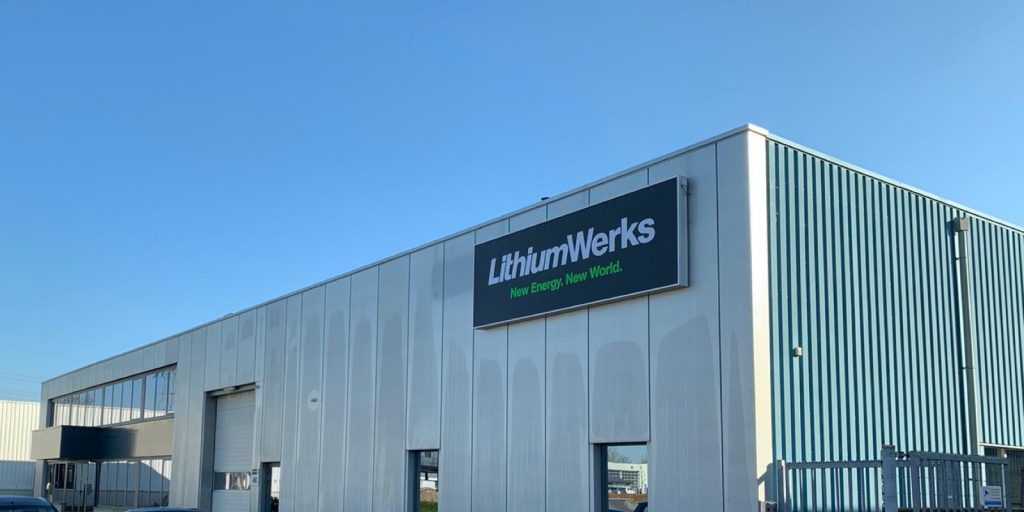
Figure 1: Advanced automated LFP cell assembly line at MKI Energy Technology Co., Ltd. facility.
3.2 Levelized Cost of Storage (LCOS) Mathematical Model
Global procurement teams often make the mistake of evaluating stationary batteries solely on initial $/kWh purchase price. However, financial return on investment (ROI) for microgrid and utility assets depends on Levelized Cost of Storage (LCOS), expressed as total lifecycle expenditure divided by total energy delivered:
LCOS ($/MWh) = [ CAPEX + ∑ ( OPEX_t + Charging_Cost_t ) / (1 + r)^t ] / [ ∑ ( Discharged_Energy_t ) / (1 + r)^t ]
Where CAPEX includes initial hardware & installation, OPEX accounts for maintenance & HVAC parasitic loads, Charging_Cost represents input power cost, r is the discount rate, and Discharged_Energy reflects usable capacity factoring in capacity fade.
Because MKI Energy Technology Nanophosphate® cells sustain over 4,000 to 8,000 full depth-of-discharge cycles before reaching 80% remaining capacity, the total cumulative energy delivered ($MWh$) is nearly double that of conventional lithium-ion batteries. Furthermore, our cells' ability to operate efficiently up to 60°C reduces parasitic HVAC cooling consumption by 30-45%, drastically lowering the OPEX_t component in the equation.
3.3 UL 9540A Fire Safety & Propagation Mitigation Architecture
Compliance with North American (NFPA 855, UL 9540) and European safety frameworks requires rigorous cell-level and module-level fire propagation testing. MKI Energy Technology Co., Ltd. builds multi-tiered physical and electrical defenses into every stationary storage rack:
- Cell Level Thermal Isolation: Aerogel insulation pads placed between cell groups prevent thermal conduction during internal short circuits.
- High-Current Fusing: Sub-millisecond pyrotechnic fuses isolate localized short circuits before energy feedback can affect adjacent strings.
- Off-Gas Early Detection Telemetry: Integrated aerosol and gas sensors detect electrolyte vaporizing (e.g., DMC, EMC) seconds before temperature spikes occur, signaling the BMS to trigger emergency shutdown protocols.
- Deflagration Pressure Venting: Enclosures feature burst discs directed away from maintenance access areas to safely mitigate overpressure.
4. Future Procurement Trends & Sourcing Outlook (2025–2030)
As the global market for Stationary Energy Storage Systems scales toward multi-terawatt-hour installations, procurement managers must adapt to structural industry shifts. Based on empirical analysis and AI-driven market intelligence, we highlight four dominant trends shaping BESS purchasing over the next decade:
Trend 1: Migration to 1500V DC Architecture
Modern utility-scale stationary installations are rapidly shifting from 1000V DC busbars to 1500V DC high-voltage architectures. Raising system voltage reduces current throughput for equivalent power output ($P = V \times I$). This permits thinner copper cabling, reduces line losses by up to 26%, increases power conversion system (PCS) inverter efficiency, and optimizes container power density. All stationary energy storage modules from MKI Energy Technology are designed with enhanced creepage and clearance distances rated for 1500V DC isolation.
Trend 2: AI-Driven Predictive BMS & Digital Twin Synchronization
Static battery monitoring is being replaced by cloud-connected BMS platforms leveraging Machine Learning models. By analyzing real-time micro-impedance shifts, voltage delta curves, and internal cell resistance trends, predictive maintenance software can identify cell degradation anomalies up to 90 days before functional failure occurs. Procurement specifications increasingly require open API protocols and edge-computing BMS hardware.

Figure 2: Automated testing and smart BMS calibration for industrial and stationary battery modules.
Trend 3: Stringent ESG Traceability & Circular Economy Standards
Regulations such as the European Union Battery Regulation mandate complete supply chain transparency—from raw lithium and iron mining to cell manufacturing and end-of-life recycling ("Battery Passport"). Stationary storage buyers must partner with tier-1 manufacturers who eliminate conflict minerals (cobalt-free chemistry) and provide documented recycling pathways. MKI Energy Technology Co., Ltd. strictly enforces sustainable material sourcing and circular recovery partnerships across Europe and North America.
Trend 4: Integration of Hybrid Duration Battery Storage Systems
To balance short-duration grid frequency response (seconds to minutes) with long-duration energy shifting (4 to 12 hours), power producers are deploying hybrid BESS topologies. High-power Nanophosphate® cells are combined with high-energy LFP cells within unified control architectures, optimizing both power response speed and total energy capacity.
5. Why Global OEMs Partner with MKI Energy Technology Co., Ltd.
Navigating complex stationary storage projects requires more than off-the-shelf battery hardware—it demands a dedicated engineering partner with proven manufacturing scale, international certification experience, and responsive technical support.
MKI Energy Technology Co., Ltd. stands at the forefront of advanced lithium battery innovation. Here is how our enterprise capabilities deliver competitive advantages for our global client base:
- Patented Nanophosphate® IP Portfolio: We control proprietary intellectual property surrounding ultra-high-power, long-cycle LFP cell synthesis, guaranteeing consistent electrochemical quality across production batches.
- End-to-End Vertical Integration: From electrode slurry preparation and automated cell winding to full pack housing fabrication and BMS firmware development, every component undergoes strict quality inspection under ISO 9001 and IATF 16949 standards.
- Comprehensive Global Certifications: Our battery cells, modules, and containerized racks carry full international certifications, including UL 1642, UL 1973, UL 9540, UL 9540A, IEC 62619, IEC 62133, CE, UN38.3, and DNV marine classification.
- Global Logistics & Engineering Offices: With manufacturing facilities in China and commercial operations in the United States and Netherlands, we provide localized engineering assistance, rapid prototyping, and direct supply chain support across North America, Europe, and Asia-Pacific.

6. Stationary Energy Storage Systems Procurement FAQ
Below are authoritative responses to the most frequent technical and commercial questions submitted by BESS procurement professionals and search engine queries: