1. The Strategic Imperative for Custom Industrial Battery Packs in OEM Applications
In the modern industrial landscape, energy storage is no longer a secondary component purchased off the shelf; it is the core technological bottleneck and primary performance differentiator for advanced equipment. Global procurement managers and OEM design engineers searching for Custom Industrial Battery Packs are confronted with complex trade-offs involving safety, physical dimensions, cycle life, charge rates, certification costs, and long-term supply chain security.
Off-the-shelf lithium-ion batteries often fail to meet the rigorous demands of harsh industrial environments. Commercial off-the-shelf (COTS) batteries typically feature standard rectangular or cylindrical enclosures, rigid voltage output curves, and generic Battery Management Systems (BMS) calibrated for benign operating conditions. Conversely, mission-critical equipment—such as Automated Guided Vehicles (AGVs), Autonomous Mobile Robots (AMRs), maritime auxiliary power units, heavy-duty mining platforms, and grid-tied Uninterruptible Power Supplies (UPS)—requires battery architectures customized to exact mechanical, electrical, and thermal parameters.
At MKI Energy Technology Co., Ltd., we approach the development of custom industrial battery packs not as standard assembly, but as multi-disciplinary electro-mechanical engineering. By combining proprietary Lithium Iron Phosphate (LFP) Nanophosphate® cell technology with custom-designed hardware-software BMS architectures, MKI Energy delivers turnkey energy systems that maximize total operational uptime while drastically lowering Total Cost of Ownership (TCO).
Information Gain Key Takeaway for Procurement Teams
Standard Nickel Manganese Cobalt (NMC) cells exhibit higher volumetric energy density, but their thermal runaway threshold (approx. 210°C) introduces substantial fire and safety liabilities in industrial settings. Proprietary Nanophosphate® LFP cells engineered by MKI Energy possess a thermal runaway threshold exceeding 270°C, delivering up to 4,000 to 10,000 full depth-of-discharge (80% DOD) cycles, making them 4x longer-lasting over their operational lifecycle.
2. Electrochemistry Selection: Why Nanophosphate® LFP Dominates Industrial Markets
Selecting the optimal lithium-ion electrochemistry is the first and most decisive step when specifying a custom industrial battery pack. While the consumer electronics market prioritizes gravimetric energy density (watt-hours per kilogram) to optimize weight, industrial procurement mandates maximum reliability, cycle life, thermal stability, and abuse tolerance.
Lithium Iron Phosphate ($\text{LiFePO}_4$ or LFP) has emerged as the clear cathode choice for heavy-duty industrial energy storage. Unlike cobalt-based chemistries (such as NMC or NCA), LFP chemistry utilizes strong covalent oxygen-phosphorus bonds ($\text{P-O}$) within its crystal lattice. This atomic structure prevents oxygen release during high-temperature thermal stress or overcharge conditions, inherently eliminating the primary catalyst for violent thermal runaway.
Nanophosphate® Electrochemistry Advantage
MKI Energy Technology Co., Ltd. utilizes advanced Nanophosphate® LFP technology, which incorporates nanoscale lithium iron phosphate particles engineered with a high-conductivity carbon coating. This nanotechnology innovation addresses the traditional limitation of standard LFP—low electrical conductivity—resulting in superior performance metrics:
- Ultra-High Power Density: Continuous discharge rates up to 10C–20C and peak pulse discharge up to 30C without significant voltage sag or structural degradation of the cathode.
- Extended Cycle Life: Retains over 80% initial capacity after 4,000 continuous 100% DOD cycles, extending to over 10,000 cycles under partial shallow-discharge duty cycles.
- Low Internal Impedance: Minimal internal heating ($\text{I}^2\text{R}$ losses) during rapid charging (up to 4C–6C fast charge), enabling complete charging cycles in under 15–20 minutes for high-utilization AGV industrial fleets.
- Broad Operating Temperature Envelope: Stable discharge capability ranging from -30°C to +60°C, eliminating the need for complex internal heating elements in moderately cold warehouse environments.
| Electrochemical Parameter |
Standard Commercial NMC |
Standard LFP (Prismatic) |
MKI Energy Nanophosphate® LFP |
| Thermal Runaway Temp (°C) |
~210°C (High Risk) |
~270°C (Stable) |
>270°C (Extremely Safe) |
| Cycle Life (80% DOD, 1C) |
1,000 – 1,500 cycles |
2,500 – 3,500 cycles |
4,000 – 10,000+ cycles |
| Continuous C-Rate Capacity |
1C – 3C |
1C – 2C |
10C Continuous / 30C Pulse |
| Fast Charging Capability |
0.5C – 1C (~1-2 Hours) |
1C (~1 Hour) |
4C – 6C (~15 Minutes) |
| Supply Chain Cobalt Risk |
High (Subject to ESG audit) |
Zero (Cobalt-Free) |
Zero (100% Cobalt-Free) |
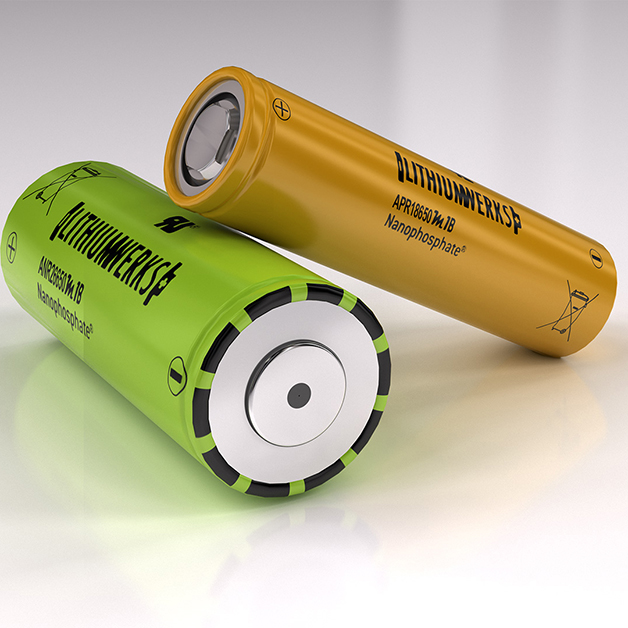
Figure 1: High-rate 18650 and 26650 Nanophosphate® cylindrical cells engineered by MKI Energy Technology Co., Ltd. for custom industrial pack assembly.
3. Engineering Custom Packs: Intelligent BMS Integration & Mechanical Architecture
A high-performance cell is only as effective as the control system governing it. When engineering custom industrial battery packs, MKI Energy Technology Co., Ltd. integrates custom-tailored Battery Management Systems (BMS) designed specifically for industrial load profiles, noise immunity, and harsh environment telemetry.
Key BMS Hardware & Firmware Features
Industrial applications present severe electrical noise, high voltage spikes, electromagnetic interference (EMI), and rapid current fluctuations. Our custom BMS solutions encompass:
- Active vs. Passive Balancing: High-efficiency active balancing architectures capable of transferring up to 2A–5A of balancing current between individual cell series strings, mitigating cell imbalance in high-capacity multi-kWh industrial banks.
- Multi-Tiered Safety Protection: Hardwired over-voltage, under-voltage, over-current, short-circuit, and multi-point temperature sensor monitoring (NTC thermistors embedded within cell matrices).
- Industrial Communication Protocols: Native integration with CANbus (CANopen, J1939), Modbus RS485, Ethernet IP, and Bluetooth/Wi-Fi modules for real-time State of Charge (SoC), State of Health (SoH), and predictive maintenance diagnostics.
- State of Charge (SoC) Coulomb Counting: High-precision current shunt measurement providing SoC calculation accuracy within ±1%, ensuring reliable operation in autonomous robotic equipment.
Mechanical Packaging & Enclosure Engineering
Industrial deployment subjects battery enclosures to severe shock, continuous vibration, moisture ingress, and thermal fluctuations. MKI Energy's mechanical design team utilizes advanced CAD modeling and Finite Element Analysis (FEA) to engineer physical structures capable of meeting IP65, IP67, or explosion-proof standards.
Structural elements include custom nickel-plated copper busbars, laser-welded interconnects, shock-absorbing silicone cell holders, flame-retardant polycarbonate or aluminum alloy housings, and integrated liquid cooling/heating channels for extreme thermal management.
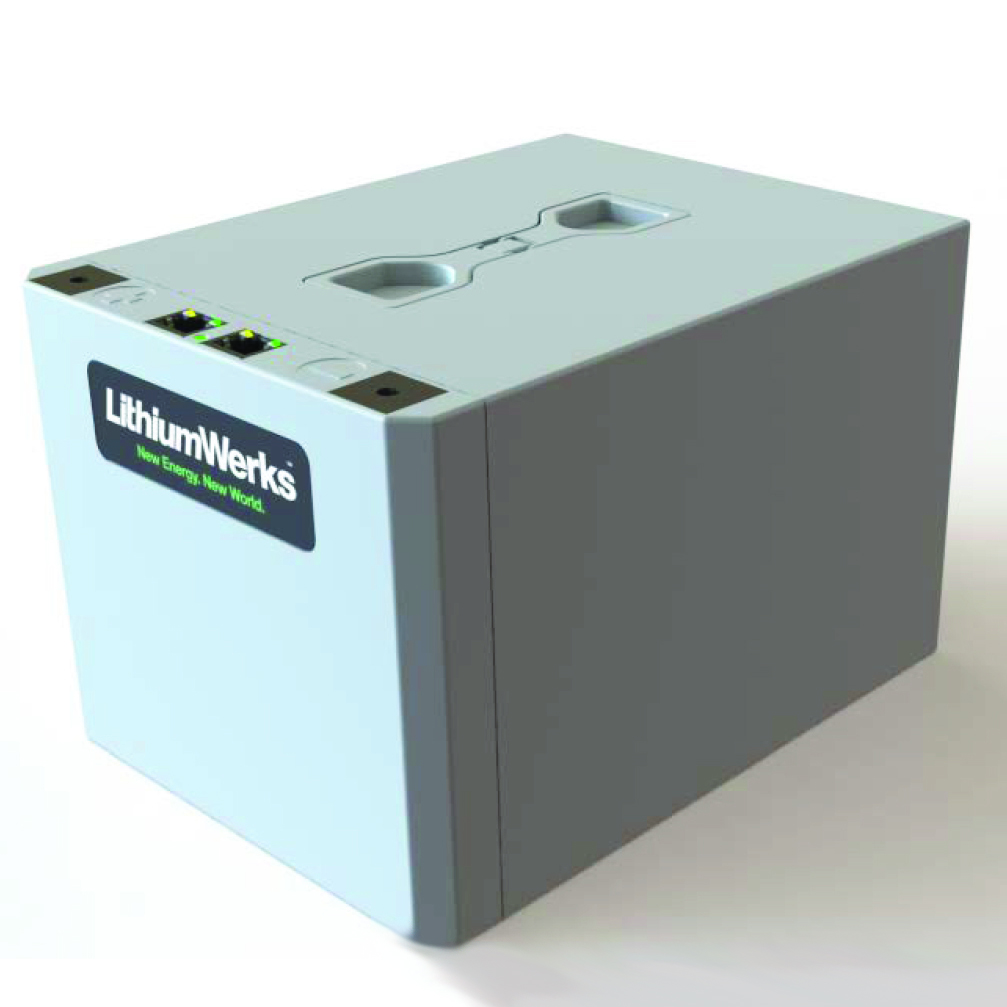
Figure 2: Fully validated custom industrial battery pack module manufactured with integrated BMS and IP67 ruggedized enclosure by MKI Energy Technology Co., Ltd.
4. High-Performance Custom Industrial Battery Pack Recommendations
To assist procurement managers and systems architects in evaluating solution archetypes, MKI Energy Technology Co., Ltd. presents four foundational custom pack configurations engineered for demanding OEM application categories.
Industrial Robotics / AGV
24V / 48V High-Rate Fast-Charge AGV Power Pack
Designed specifically for 24/7 automated material handling fleets. Supports continuous high-rate opportunity charging during 5-minute station stops without thermal degradation.
Nominal Voltage: 25.6V / 51.2V
Chemistry: Nanophosphate® LFP (26650 / 18650)
Charge/Discharge Rate: 4C Fast Charge / 10C Continuous
Communication: CANbus J1939 / RS485 Modbus
Cycle Life: >4,000 cycles @ 100% DOD
View Module Specs
Commercial Mobility
High-Voltage Modular Heavy-Duty Traction Pack
Custom modular battery racks engineered for electric buses, municipal utility vehicles, and heavy commercial transport requiring high voltage stability and robust shock tolerance.
System Voltage Range: 350V – 750V DC System
Chemistry: High Energy LFP / Nanophosphate®
Enclosure Rating: Heavy-gauge Aluminum IP67
Certifications: ECE R100, UN 38.3, UL 2580
Thermal Control: Liquid Cold-Plate Integration
Explore Mobility Packs
Marine & Offshore
Maritime Certified Auxiliary & Propulsion Pack
Ruggedized marine battery modules built to withstand saltwater corrosion, humidity, and constant pitch/roll vibration. Engineered to meet strict DNV and ABS safety guidelines.
Voltage Configurations: 48V, 96V, 400V Options
Chemistry: Nanophosphate® LFP (Zero Thermal Runaway)
Protection: Marine Grade Anodized IP67
Features: Dual Isolated BMS Hardware
Design Life: 15 Years Operational Life
View Marine Solutions
Stationary ESS & UPS
High-Density Rack-Mount ESS & Telecom Backup System
Scalable 19-inch rack-mountable custom LFP packs designed for continuous power availability in data centers, telecom towers, and grid-scale frequency regulation.
Rack Output: 48V 100Ah / 200Ah Per Module
Chemistry: LFP High Cycle Energy Cells
Standard Footprint: 3U / 4U 19-inch Server Rack
Certifications: UL 1973, UL 9540A, IEC 62619
Float Life: 20 Years @ 25°C
View ESS Systems
5. Future Procurement & Supply Chain Trends for Custom Industrial Battery Packs (2025–2030)
As global supply chains navigate geopolitical realignments, carbon tariffs, and stringent regulatory frameworks, global procurement executives must look beyond basic unit cost ($/kWh) and evaluate macro procurement trends shaping the industrial battery ecosystem over the next five to ten years.
1. Mandatory Digital Battery Passports & ESG Traceability
Driven by the European Union Battery Regulation and similar mandates in North America, future procurement contracts for custom industrial battery packs will require full digital lifecycle transparency. Procurement directors must ensure suppliers can provide verified documentation detailing raw material provenance, carbon footprint accounting per kWh produced, and ethical supply chain compliance. MKI Energy Technology Co., Ltd. is actively preparing digital supply chain tracking to ensure seamless market compliance for our global partners.
2. Transition from Cobalt-Based NMC to High-Sodium & LFP Formulations
Volatile nickel and cobalt commodity markets have heightened commercial exposure for OEMs relying on NMC chemistries. Over the next decade, global procurement will shift heavily toward cobalt-free LFP and emerging sodium-ion hybrids for industrial duty cycles. LFP's stable cost structure, abundant raw materials (iron and phosphate), and lack of mining ESG controversies make it the definitive choice for long-term production contracts.
3. Supply Chain Regionalization & Local Technical Support
Long component lead times and international shipping disruptions have exposed the vulnerabilities of centralized manufacturing. Modern procurement strategies require battery suppliers to maintain automated cell manufacturing in low-cost hubs alongside regional engineering support centers in Europe and North America. MKI Energy fulfills this requirement by pairing high-capacity manufacturing facilities in China with commercial and application engineering teams in the United States and the Netherlands.
4. Total Lifecycle Costing vs. Initial Capital Outlay
Forward-thinking procurement directors are pivoting from CapEx-centric sourcing to Total Cost of Ownership (TCO) evaluation models. A custom LFP pack costing 10% more upfront than a lower-grade alternative delivers over 300% more lifetime kilowatt-hours discharged due to its extended 4,000+ cycle life, resulting in a substantially lower cost per cycle ($/kWh/cycle).
6. Global Industry & Technological Trends Driving Custom Industrial Battery Innovation
The technological evolution of custom industrial battery packs is accelerating under the influence of several macro trends in automation, artificial intelligence, and power electronics:
- AI-Driven Cloud Predictive Battery Analytics: Next-generation BMS hardware is increasingly paired with edge-computing microcontrollers and cloud analytics. By continuously monitoring internal cell impedance, thermal signatures, and micro-short circuits, AI algorithms can predict battery failure up to 500 operating hours before downtime occurs, enabling proactive maintenance in critical industrial facilities.
- Higher Voltage Systems (800V Industrial Architectures): Industrial platforms are following the automotive sector in adopting higher nominal system voltages (from traditional 24V/48V to 400V/800V DC). Higher system voltages reduce current draw for equivalent power output, allowing engineers to utilize thinner internal cabling, reduce resistive thermal losses, and increase overall system efficiency.
- Direct Cell-to-Pack (CTP) & Structural Enclosure Integration: Eliminating intermediate module housings, CTP packaging allows individual cylindrical or prismatic LFP cells to be integrated directly into the outer protective chassis. This approach increases volumetric space utilization by 15-20% and gravimetric energy density by 10-15% without sacrificing mechanical rigidity.
- Rigorous Thermal Runaway Propagation Control (UL 9540A Standard): Industrial design guidelines increasingly mandate that even if a single cell is forced into thermal runaway via severe mechanical penetration, thermal propagation to adjacent cells must be prevented. MKI Energy utilizes aerogel insulation barriers, directional thermal vent valves, and phase-change materials to guarantee zero-propagation performance.
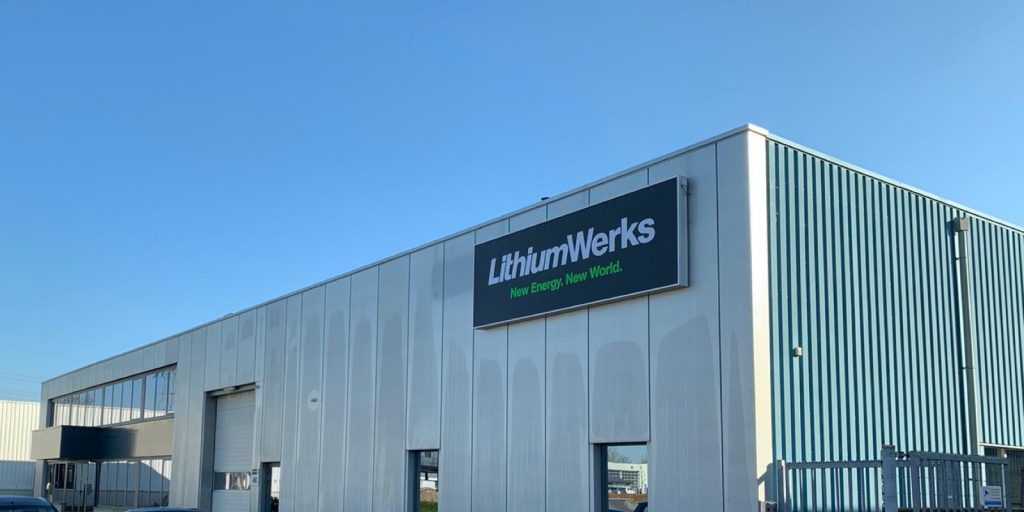
Figure 3: Automated production line and rigorous quality validation testing at MKI Energy Technology Co., Ltd.
7. Why Global OEM Leaders Partner with MKI Energy Technology Co., Ltd.
Selecting a long-term manufacturing partner for custom industrial battery packs requires evaluating technical expertise, production scale, quality control certifications, and financial stability. MKI Energy Technology Co., Ltd. stands at the forefront of the global energy storage sector, offering unmatched corporate advantages:
20+
Years of Electrochemical R&D
Over two decades of continuous innovation in Nanophosphate® cathode chemistry, cell manufacturing, and high-rate battery engineering.
4,000+
Proven Cycle Longevity
Our proprietary Nanophosphate® cells consistently achieve over 4,000 full depth-of-discharge cycles, maximizing system service life.
100%
Inherent Thermal Safety
Cobalt-free LFP chemistry eliminates thermal runaway risks, providing absolute operational security in high-risk environments.
Global
Integrated Supply Network
Manufacturing facilities in China coupled with commercial and technical support hubs in the USA and the Netherlands.
Full
Turnkey OEM Customization
Complete end-to-end engineering support—from custom cell selection and BMS programming to housing design and international certification.
ISO
Certified Quality Controls
Operating under strict ISO 9001 and IATF 16949 quality management standards with rigorous automated cell sorting and testing.
Whether you require drop-in replacement modules or complete high-voltage battery systems built from the ground up, MKI Energy's cross-functional engineering team provides complete support throughout the product development lifecycle: initial concept design, rapid prototyping, thermal testing, regulatory certification, and mass production scale-up.
8. Frequently Asked Questions (FAQ) for OEM Procurement & Engineering Teams
Addressing key technical and commercial queries frequently submitted by global procurement managers during the evaluation of custom industrial battery packs:
What essential safety standards must be considered when specifying custom industrial battery packs?
Industrial battery systems must comply with specific application-dependent certifications. Mandatory transport compliance requires UN 38.3 testing (altitude, thermal, vibration, shock, short circuit, and impact). For stationary energy storage and UPS systems, UL 1973 and UL 9540A fire safety testing are required. Industrial machinery and motive battery packs mandate IEC 62619, while maritime installations require classification approval from agencies such as DNV or ABS. MKI Energy manages full testing and validation for all custom pack projects.
How do custom LFP packs compare to NMC in terms of Total Cost of Ownership (TCO)?
While Nickel Manganese Cobalt (NMC) provides higher initial energy density per kilogram, custom Lithium Iron Phosphate (LFP) packs engineered by MKI Energy deliver a vastly superior lifetime return on investment. Nanophosphate® LFP cells provide 4,000 to 10,000 cycles (compared to 1,000–1,500 for NMC), eliminate expensive explosion-proof auxiliary housing requirements due to inherent chemistry safety, and incur zero cobalt raw material price surcharge risks—reducing lifetime cost per kWh discharged by 40% to 50%.
What technical specifications are needed to receive a custom pack engineering proposal?
To initiate a comprehensive custom engineering evaluation, OEM engineers should supply: (1) Operational voltage boundaries (nominal, maximum charging, cutoff voltage), (2) Continuous and peak pulse discharge current profiles (C-rate requirements), (3) Physical envelope dimensions and weight limitations, (4) Environmental protection levels (IP rating, temperature range), (5) Preferred communication interfaces (CANbus, RS485), and (6) Target annual production volumes.
How does MKI Energy mitigate performance loss in extreme operating temperatures?
MKI Energy incorporates multi-layered thermal management strategies into custom pack designs. For extreme sub-zero operation (charging below 0°C to -30°C), we integrate smart BMS-controlled silicone heating elements that preheat cells prior to accepting charge current. For high-temperature high-rate continuous discharge (+50°C to +60°C), we utilize internal aluminum heat sinks, liquid cooling plates, and thermal phase-change materials (PCM) alongside intelligent BMS thermal throttling routines.
What is the typical timeline from custom design kick-off to mass production?
A standard custom pack engineering cycle proceeds through three distinct phases: Phase 1 (Specification, CAD Modeling, BMS Architecture): 2 to 4 weeks. Phase 2 (Functional Prototype Assembly & Internal Validation Testing): 4 to 8 weeks. Phase 3 (UN 38.3 / IEC / UL Certification & Production Tooling Lock): 8 to 12 weeks. Total turnaround from concept approval to pilot mass-production ramp typically ranges from 16 to 24 weeks.
How does MKI Energy guarantee batch-to-batch cell quality and voltage matching?
As a direct cell manufacturer and pack integrator, MKI Energy Technology Co., Ltd. enforces strict end-to-end quality controls. All Nanophosphate® cells undergo automated end-of-line grading, where internal resistance ($\text{AC IR}$ / $\text{DC IR}$) and capacity are matched within ultra-narrow tolerances (voltage variance $\le 2\text{mV}$, internal resistance variance $\le 0.5\text{m}\Omega$). This automated matching guarantees optimal passive/active balancing efficiency and prevents premature pack degradation.
Ready to Engineer Your Custom Industrial Battery Pack Solution?
Partner directly with the application engineers at MKI Energy Technology Co., Ltd. to specify, design, and manufacture high-performance LFP battery systems tailored precisely to your equipment requirements.