
18650 LFP Energy Cells: Technical OEM Engineering Guide, Procurement Trends & Electrochemical Specification Handbook
Discover why global B2B procurement managers, energy system engineers, and industrial OEMs are transitioning to 18650 LFP energy cells. Powered by patented Nanophosphate® chemistry from MKI Energy Technology Co., Ltd., our cylindrical cells deliver unmatched abuse tolerance, thermal stability, low total cost of ownership (TCO), and over 4,000 deep discharge cycles.
1. The Electrochemical Physics of 18650 LFP Energy Cells: Why Chemistry Matters in B2B Sourcing
When engineering high-reliability power systems—ranging from automated guided vehicles (AGVs) and stationary uninterruptible power supplies (UPS) to commercial marine energy storage—selecting the optimal battery architecture requires evaluating chemical thermodynamics, mechanical stress tolerance, and microstructural kinetics. The 18650 LFP energy cell (18mm diameter by 65mm length cylindrical form factor) represents the pinnacle of safe, sustainable, and highly predictable energy storage.
At the core of the Lithium Iron Phosphate ($LiFePO_4$) chemistry is an olivine crystal structure. Unlike layered oxide chemistries such as Nickel Manganese Cobalt ($NMC$) or Nickel Cobalt Aluminum ($NCA$), the iron-phosphate framework forms strong covalent P-O bonds within the $PO_4^{3-}$ tetrahedral complex. This chemical structure prevents oxygen release during thermal stress, making 18650 LFP cells fundamentally immune to oxygen-fueled thermal runaway.
Technical Information Gain: Thermal Runaway Kinetics Explained
In ternary NMC/NCA cylindrical cells, thermal breakdown initiates at temperatures as low as 150°C–210°C, causing exothermic decomposition that releases gaseous oxygen ($O_2$), resulting in intense combustion. Conversely, MKI Energy Technology Co., Ltd. 18650 LFP cells do not experience phase decomposition until temperatures exceed 270°C–350°C. Even under mechanical puncture or electrical overcharge, the release of oxygen is chemically constrained by the olivine crystal lattice, eliminating the risk of catastrophic fires.
Nanophosphate® Nanotechnology Enhancement
Traditional LFP cells historically faced limitations in electronic conductivity and lithium-ion diffusion rates compared to nickel-based alternatives. MKI Energy Technology Co., Ltd. resolves this trade-off using nanoscale particle synthesis—our proprietary Nanophosphate® cathode technology. By reducing the iron phosphate particle size to the sub-micron scale (less than 100 nanometers) and applying a uniform nanoscale carbon coating, lithium-ion diffusion pathways are shortened by orders of magnitude.
The resulting performance advantages include:
- Minimal Solid Electrolyte Interphase (SEI) Resistance: Ultra-low initial internal impedance ($AC\ IR \le 6\ m\Omega$), which limits parasitic heating during high-rate charge and discharge cycles.
- Flat Voltage Plateau: Extremely stable discharge curve at ~3.2V nominal voltage, ensuring constant power output across 90% of the state-of-charge (SOC) spectrum.
- Superior Low-Temperature Retention: Enables robust performance in extreme climate conditions down to -30°C without risk of lithium plating when properly managed.
Electrochemical & Performance Sourcing Matrix: 18650 Form Factors Compared
To assist OEM procurement managers and battery engineering leads in evaluating cell options, the table below compares key operational parameters across commercial 18650 chemistries:
| Performance Metric | 18650 LFP (MKI Energy) | 18650 NMC (Ternary) | 18650 LTO (Titanate) | Sodium-Ion 18650 |
|---|---|---|---|---|
| Nominal Cell Voltage | 3.2 V | 3.6 V - 3.7 V | 2.3 V | 3.0 V - 3.1 V |
| Gravimetric Density (Wh/kg) | 140 - 170 Wh/kg | 220 - 260 Wh/kg | 70 - 90 Wh/kg | 110 - 130 Wh/kg |
| Cycle Life (80% DOD) | 4,000 - 6,000 Cycles | 800 - 1,500 Cycles | 15,000+ Cycles | 2,000 - 3,000 Cycles |
| Thermal Runaway Temp | > 270°C (No $O_2$ Release) | ~ 150°C - 210°C | > 300°C | ~ 220°C |
| Raw Material Supply Risk | Very Low (Iron & Phosphate) | High (Cobalt & Nickel Volatility) | Medium (Titanium) | Extremely Low (Sodium) |
| Total Cost of Ownership (10-Yr) | Lowest ($/delivered kWh) | Moderate to High | High (CapEx high) | Emerging |
2. Premium 18650 LFP Energy & Power Cell Product Showcase
As a global pioneer in lithium iron phosphate technology, MKI Energy Technology Co., Ltd. offers a comprehensive lineup of 18650 LFP cells designed for energy-dense applications, high-drain pulse applications, and custom integrated battery packs.
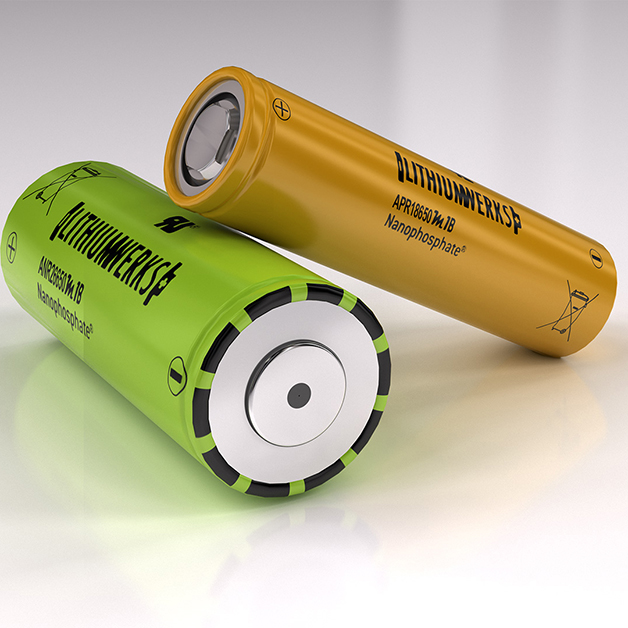
18650 High-Energy LFP Cell Series
Engineered for maximum gravimetric and volumetric energy density in stationary energy storage, telecom backup power, and solar street lighting where long cycle life and thermal endurance are critical.
- Nominal Capacity: 2200mAh - 2500mAh
- Nominal Voltage: 3.2 V
- AC Internal Impedance: ≤ 15 mΩ
- Standard Charge / Discharge: 0.5C / 1C
- Cycle Life: 4,000+ Cycles @ 80% DOD
18650 Nanophosphate® High-Power Cell
Specially formulated with sub-micron cathode particles to deliver exceptional pulse discharge capability (up to 30C discharge pulses), ultra-fast charge acceptance, and high thermal stability under heavy industrial loads.
- Nominal Capacity: 1100mAh - 1500mAh
- Continuous Discharge: 30 A (20C+)
- Pulse Discharge (10s): 50 A
- AC Internal Impedance: ≤ 6 mΩ
- Fast Charge Acceptance: 4C (15 minutes to 80%)
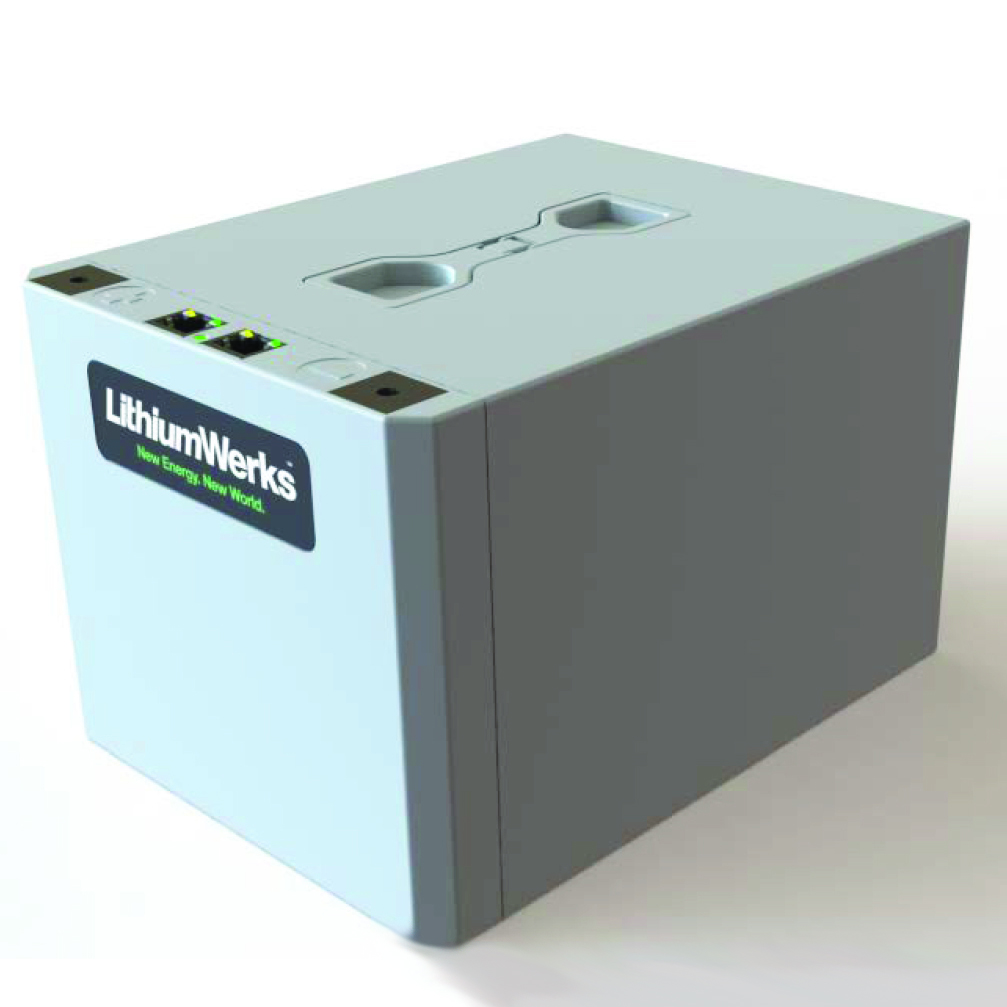
Custom Industrial 18650 LFP Battery Packs
Fully engineered, turnkey battery pack assemblies incorporating 18650 LFP energy cells, precision nickel-busbar spot welding, custom heat dissipation channels, and smart BMS communication (CANbus, Modbus, RS485).
- Voltage Configurations: 12V, 24V, 48V, 96V to 800V+
- Enclosure Protection: IP65 / IP67 Sealed Metal or ABS
- BMS Features: Active Balancing, SoC/SoH Tracking
- Certifications: UN38.3, IEC 62619, UL 1973
- Custom Features: Integrated Heating Elements
3. Global Sourcing Analysis & Strategic Procurement Trends (2025–2035)
As global supply chains navigate tightening environmental regulations, geopolitical volatility in raw materials, and demand for carbon transparency, battery procurement is shifting away from reactive component purchasing toward strategic life-cycle management. Procurement directors evaluating 18650 LFP energy cells must account for several structural trends shaping the energy storage industry.
A. ESG Compliance & Carbon Footprint Digital Passports
With the implementation of the European Union Battery Regulation (EU 2023/1542) and similar global framework policies, battery buyers are now held responsible for the lifecycle carbon emissions of imported battery systems. 18650 LFP cells provide a distinct ESG advantage over NMC/NCA chemistries:
- Cobalt-Free and Nickel-Free Sourcing: Eliminates supply chain risks linked to unethical mining practices and volatile pricing dynamics associated with cobalt and nickel.
- Sustainable Upstream Manufacturing: Iron and phosphate derivatives are globally abundant, reducing raw material transportation emissions and refining energy costs.
- Second-Life & Recyclability: LFP cells feature a direct hydrometallurgical recycling path, allowing raw materials to be recovered efficiently without complex pyrometallurgical thermal smelting.
B. The Shift from Large Format Prismatic to Modular 18650 Cylindrical Arrays
While large-format prismatic LFP cells (e.g., 280Ah or 314Ah) dominate utility-scale containerized grid systems, high-reliability commercial, medical, marine, and robotic equipment applications are increasingly standardizing on 18650 LFP cylindrical matrix architectures. The primary procurement drivers include:
- Redundancy & System Fault Tolerance: In a pack containing thousands of 18650 cells connected in parallel-series combinations, the failure of a single cell yields only an infinitesimal loss in system capacity without triggering a cascade shutdown.
- Thermal Management Precision: Small cylindrical geometry creates uniform interstitial air gaps or cooling fluid channels between cells, enabling equalized thermal dissipation across the pack.
- Flexible Form Factor Optimization: Cylindrical cell building blocks allow engineers to package battery power into non-rectangular spaces in electric boats, AGV chassis, and custom industrial machinery.
Procurement TCO Insight: Levelized Cost of Storage (LCOS)
In B2B application economics, the upfront purchasing price per kilowatt-hour ($/kWh CapEx) is often misleading. The true benchmark is the Levelized Cost of Storage (LCOS), calculated as:
$$LCOS = \frac{\text{Initial CapEx} + \text{Lifetime Maintenance}}{\text{Total Lifetime Energy Delivered (kWh)}}$$
Because MKI Energy Technology Co., Ltd. 18650 LFP energy cells deliver over 4,000 cycles at 80% DOD—compared to 1,000 cycles for standard NMC cells—the LCOS of our LFP battery systems is up to 55% lower over a 10-year operational window.
Target Markets & Field Operational Deployment
Our 18650 LFP energy cells and custom engineered packs power demanding global OEM applications:
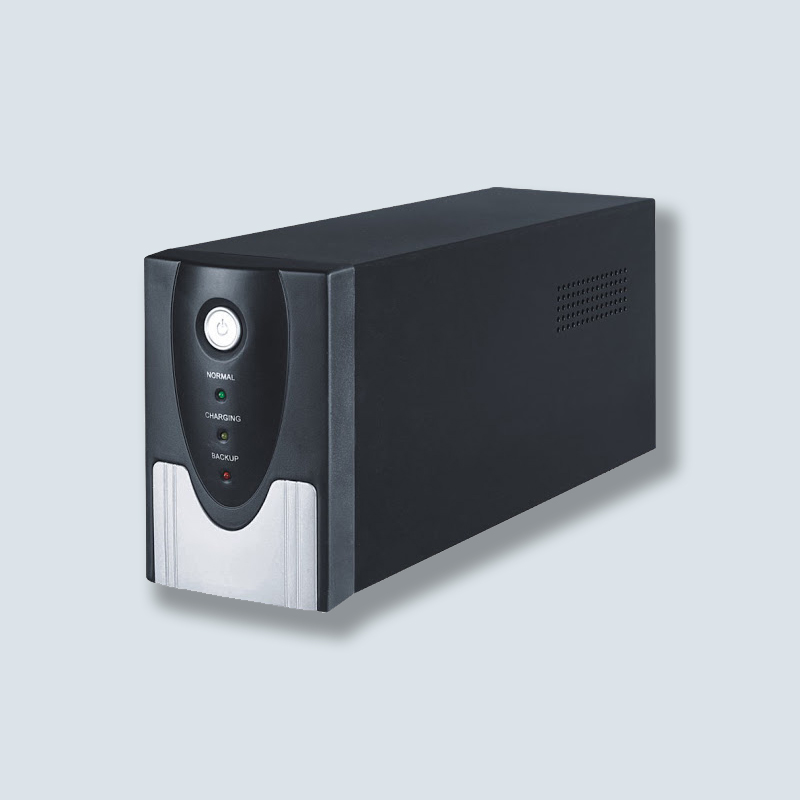
UPS & ESS Grid Backup

Commercial E-Mobility

Marine & Maritime Power

Robotics & AGVs
4. Global Sourcing FAQ: 18650 LFP Energy Cells
To streamline procurement workflows and technical validation for engineering teams, our senior battery application experts have provided answers to the most common questions regarding 18650 LFP cell selection and pack assembly.
What is the difference between 18650 LFP Power Cells and 18650 LFP Energy Cells?
The distinction lies in electrode coating thickness, porosity, and current collector design. 18650 LFP Energy Cells maximize active cathode mass per unit volume to deliver higher capacity (e.g., 2200mAh–2500mAh) for continuous, lower-rate discharge applications (0.2C to 1C), such as solar storage and medical equipment. 18650 LFP Power Cells utilize thinner electrode coatings and Nanophosphate chemistry to achieve lower internal impedance (≤6 mΩ), supporting high continuous discharge rates (up to 20C–30C) for power tools, engine starting, and regenerative braking systems.
How do 18650 LFP cells perform under extreme operating temperatures (-30°C to +60°C)?
LFP chemistry naturally tolerates elevated temperatures (up to +60°C) without chemical breakdown, outperforming NMC cells which degrade rapidly above 45°C. At sub-zero temperatures (-20°C to -30°C), internal ionic conductivity decreases, temporary capacity loss occurs, and internal resistance increases. To maintain optimal low-temperature performance, MKI Energy Technology Co., Ltd. offers customized pack designs integrated with self-heating thermal management circuits and low-temperature electrolyte additives.
Why are 18650 LFP cells safer than NMC or NCA 18650 cells during nail penetration and short-circuit tests?
During a mechanical nail penetration or external direct short-circuit test, localized short circuits generate extreme localized heat. In NMC/NCA cells, this heat triggers chemical reduction of nickel and cobalt oxides, releasing gas ($O_2$) into the cell enclosure, driving explosive thermal runaway. In MKI Energy Technology Co., Ltd. 18650 LFP cells, the strong covalent bonds of the $PO_4^{3-}$ phosphate group remain stable up to high temperatures. The cell vented pressure gas contains zero free oxygen, preventing ignition or explosive thermal propagation across adjacent cells.
What Battery Management System (BMS) balancing parameters are required for 18650 LFP packs?
Because LFP cells display an exceptionally flat discharge voltage plateau between 20% and 90% SOC (~3.20V to 3.28V), relying solely on voltage-based State-of-Charge estimation is inaccurate. A professional BMS for 18650 LFP battery packs must use Coulomb Counting (current integration) combined with high-precision voltage sensing (±2mV accuracy). Cell balancing should be configured during the top-of-charge phase (above 3.45V per cell) where the voltage curve steepens significantly.
What international certifications do MKI Energy Technology 18650 LFP cells possess for global customs clearance?
All 18650 LFP cells manufactured by MKI Energy Technology Co., Ltd. are rigorously tested and compliant with international safety and transport standards, including: UL 1642 (Standard for Lithium Batteries), IEC 62133-2 (Safety requirements for portable sealed secondary cells), IEC 62619 (Industrial lithium battery safety standards), UN 38.3 (Transport of Dangerous Goods testing), as well as CE, RoHS, and REACH compliance protocols. Marine-grade packs built with our cells also hold DNV and ABS classification approvals.
Can 18650 LFP energy cells be direct drop-in replacements for lead-acid batteries?
Yes. A 4S configuration of 18650 LFP cells yields a nominal voltage of 12.8V ($4 \times 3.2\text{V}$), matching the float and absorption voltage profiles of standard 12V AGM/gel lead-acid batteries ($13.8\text{V} - 14.4\text{V}$). Beyond voltage compatibility, 18650 LFP cells provide a 70% reduction in weight, 4x greater cycle life, 100% usable depth of discharge without voltage sag, and zero maintenance requirement.
5. Enterprise Strengths & Manufacturing Authority of MKI Energy Technology Co., Ltd.
Selecting a battery manufacturing partner requires assessing technical capability, supply chain stability, and quality control systems. MKI Energy Technology Co., Ltd. stands as an established global leader in Lithium Iron Phosphate energy storage solutions.
Patented Nanophosphate® IP Portfolio
With over 20 years of continuous chemical research and development, our manufacturing processes incorporate advanced sub-micron synthesis methods. We control key intellectual property spanning cathode slurry formulation, automated high-precision cell winding, and non-destructive laser welding.
Global Production & Distribution Presence
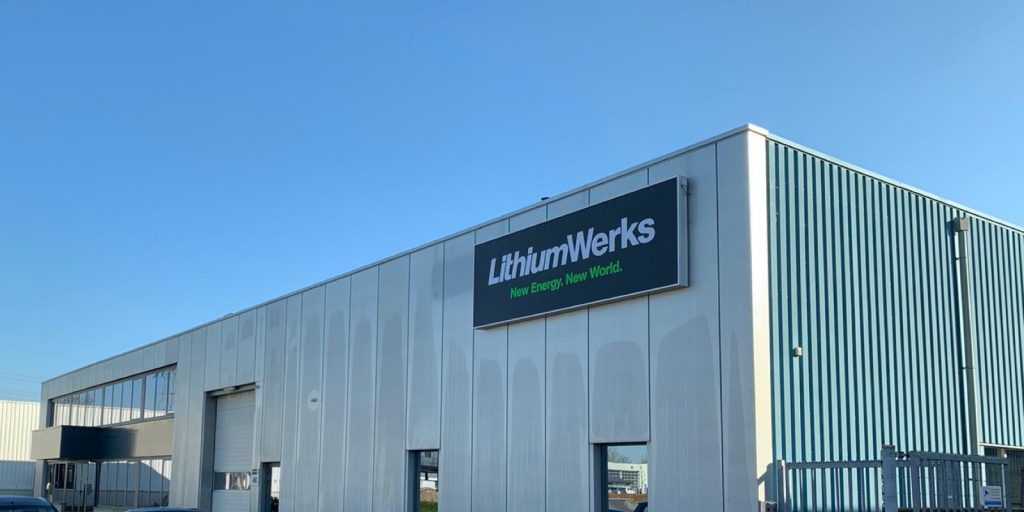
MKI Energy Technology Co., Ltd. operates state-of-the-art automated cell manufacturing facilities in China, complemented by regional distribution centers, sales offices, and technical application engineering hubs in the United States and the Netherlands.
End-to-End Quality Management Systems
Our manufacturing processes operate under ISO 9001 and IATF 16949 quality standards. Every 18650 LFP cell undergoes 100% automated internal impedance testing, open-circuit voltage sorting, and secondary high-temperature aging to ensure cell-to-cell consistency.
Custom OEM & ODM Application Engineering
We provide comprehensive engineering services for global clients, from initial cell matching and thermal modeling to custom enclosure prototyping, custom BMS firmware design, and regulatory certification assistance.
Accelerate Your OEM Project with 18650 LFP Energy Cells
Request comprehensive technical datasheets, material safety data sheets (MSDS), cell cycle degradation curves, and customized volume price quotes directly from our engineering team.