
Next-Generation Industrial Equipment Battery Systems: The Comprehensive OEM Engineering & Procurement Guide (2025–2035)
1. Executive Overview: The OEM Paradigm Shift in Industrial Equipment Electrification
The global electrification of heavy machinery, automated guided vehicles (AGVs), maritime commercial equipment, and continuous backup power systems has crossed a critical threshold. Industrial original equipment manufacturers (OEMs) and enterprise procurement directors no longer view battery systems merely as modular energy containers. Today, Industrial Equipment Battery Systems represent the primary core component determining operational uptime, total cost of ownership (TCO), safety liability, and market competitiveness.
Historically, heavy industrial gear relied on flooded or sealed Lead-Acid power sources, or compromised Nickel-Manganese-Cobalt (NMC) chemistries. However, Lead-Acid systems present severe operational bottlenecks: long recharge cycles, heavy maintenance overhead, low volumetric energy density, and steep capacity degradation under high Depth of Discharge (DOD). Conversely, while NMC offers high energy density, its structural thermal instability creates unacceptable thermal runaway hazards when subjected to mechanical shock, intense vibration, or internal high-rate shorting in harsh industrial duty cycles.
As a result, leading global OEMs are standardizing on Lithium Iron Phosphate (LiFePO4 / LFP) cell chemistries—specifically optimized with nanoscale electrochemistry. At MKI Energy Technology Co., Ltd., our proprietary Nanophosphate® LFP engineering delivers unprecedented chemical stability, extreme pulse discharge capability, and over 4,000 deep discharge cycles. This whitepaper serves as an authoritative guide for B2B procurement managers, system integrators, and mechanical engineers evaluating next-generation industrial equipment battery architectures.


2. Core Chemistry & Structural Architecture: Why Nanophosphate® LFP Dominates Industrial Demands
When selecting industrial equipment battery systems, engineering teams must evaluate energy density, power density (C-rate), thermal dissipation efficiency, and structural resistance to environmental stress. Not all LFP batteries are manufactured equal. Standard prismatic or pouch LFP cells frequently suffer from elevated internal AC/DC resistance and limited pulse current throughput.
2.1 The Nanophosphate® Electrochemistry Advantage
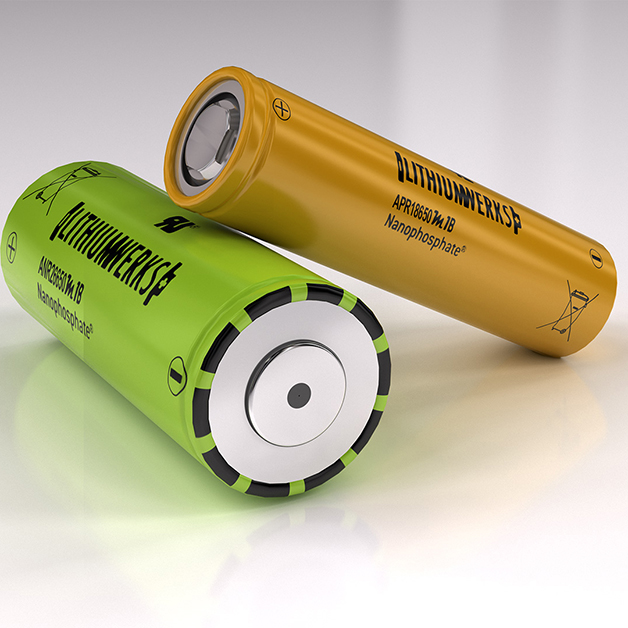
MKI Energy Technology Co., Ltd. utilizes patented Nanophosphate® nanoscale lithium iron phosphate particles. By reducing the cathode particle size down to the nanometer scale, ionic diffusion pathways for lithium ions during charge and discharge are shortened by several orders of magnitude. This unique nanostructure provides two major operational breakthroughs:
- Ultra-High Power Density & Low Internal Resistance: Our 18650 and 26650 cylindrical power cells achieve continuous discharge rates up to 10C-20C and short pulse discharge currents up to 50C-100C without destructive internal ohmic heating.
- Inherent Thermal & Chemical Safety: The strong covalent phosphorus-oxygen (P-O) bonds inside the olivine crystal lattice remain completely stable even during overcharge, external short circuits, or mechanical crush scenarios up to 300°C. Oxygen release is virtually impossible, eliminating the physical mechanisms of thermal runaway.
Key Engineering Insight: Cylindrical vs. Prismatic Form Factors in High-Vibration Industrial Settings
While prismatic cells dominate low-rate stationary storage, heavy industrial machinery (e.g., forklifts, mining robotics, electric tuggers, marine thrusters) subjects battery enclosures to continuous G-force mechanical shocks. MKI Energy's 18650 and 26650 cylindrical cells feature individual stainless-steel pressure safety vents and robust axial mechanical support. This mechanical isolation prevents micro-cracking of the electrode plates and guarantees electrical connection integrity under UN 38.3 and IEC 62619 vibration testing protocols.
2.2 Cycle Life & Degradation Kinetics
Degradation in industrial equipment battery systems stems from SEI (Solid Electrolyte Interphase) layer growth, active material loss, and lithium plating during high-rate charging. MKI Energy Nanophosphate® cells maintain 80%+ retained capacity after 4,000 full charge-discharge cycles at 100% Depth of Discharge (DOD) under standard operating temperatures, extending usable operational service life to over 10 years without replacement.
3. Product Recommendations: High-Performance LFP Cells & Custom Modules
To assist OEM purchasing officers and power system architects, MKI Energy Technology Co., Ltd. offers a comprehensive matrix of industrial-grade cylindrical power cells and fully integrated custom battery packs. Below is our engineering specification matrix tailored for heavy industrial applications:
| Product Model / Series | Cell Format / Chemistry | Nominal Voltage & Capacity | Continuous / Pulse Discharge | Target Industrial Application | Key Standard Certifications |
|---|---|---|---|---|---|
| ANR26650M1-B | 26650 Cylindrical / Nanophosphate® LFP | 3.3V / 2.5 Ah (8.25 Wh) | 50A Continuous / 120A Pulse (10s) | High-Power AGVs, Robotics, Power Tools, Medical UPS | UL 1642, IEC 62133, UN 38.3, RoHS |
| APR18650M1-A | 18650 Cylindrical / Nanophosphate® LFP | 3.3V / 1.1 Ah (3.63 Wh) | 30A Continuous / 50A Pulse (10s) | High-Rate Starter Packs, Hybrid Drives, Grid Frequency Regulation | UL 1642, CE, UN 38.3 |
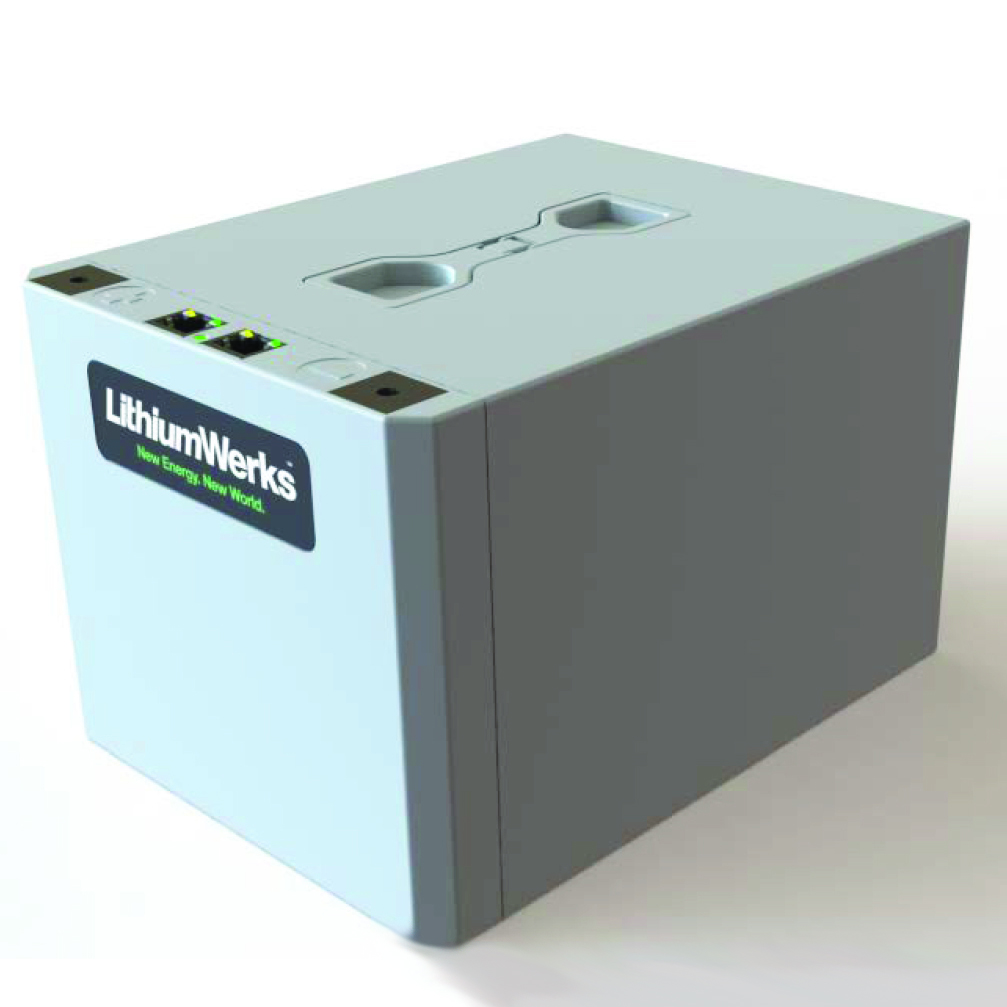
| MKI-Custom 24V/48V Module | Integrated Cylindrical Cell Pack | 25.6V - 51.2V / 50Ah - 400Ah | 1C Continuous / 3C Peak | Forklifts, Floor Cleaning Machines, Commercial Marine | IEC 62619, CE, UN 38.3, DNV Marine optional |
| MKI-HV Industrial Rack System | Modular High-Voltage Containerized ESS | 192V - 800V DC / Up to 1MWh | 0.5C to 2C Continuous | Port Automation Cranes, Mining Haulers, Heavy Stationary UPS | UL 1973, UL 9540A, CE, IEC 62619 |
4. Global Industrial Equipment Procurement Trends (2025–2035)
As enterprise procurement shifts toward digital transparency, decarbonization mandates, and AI-driven predictive maintenance, procurement strategies for industrial equipment battery systems are undergoing four major transformations:
4.1 Shift from Off-the-Shelf Components to Direct OEM Co-Engineering
Modern equipment integration demands tight mechanical and electrical optimization. Procurement managers are bypassing generic white-label distributors to engage in direct OEM co-engineering partnerships with cell and module manufacturers like MKI Energy Technology Co., Ltd. Direct collaboration ensures seamless thermal management integration, structural IP67/IP68 shock-proof enclosure design, and tailored Battery Management System (BMS) software firmware matching specific motor drive inverter profiles.
4.2 Smart Cloud Telemetry & Advanced BMS Communication Protocols
Industry 4.0 requires complete digital visibility over battery health. Modern industrial battery packs must feature multi-bus communication capability—specifically CANbus (CANopen / SAE J1939), Modbus RTU/TCP, and Ethernet/IP. Integrated BMS architectures now continuously broadcast high-frequency telematics: State of Charge (SoC), State of Health (SoH), individual cell voltage delta, temperature sensor matrix data, and error logging directly to fleet management platforms.
4.3 Total Cost of Ownership (TCO) vs. Initial CAPEX Prioritization
While standard Lead-Acid batteries feature a lower initial Purchase Price (CAPEX), forward-thinking procurement teams evaluate the Total Cost of Ownership across the 10-year machine operational window. As demonstrated below, LFP technology radically outperforms legacy batteries in cumulative operational savings:
- Zero Daily Maintenance: Eliminates distilled water topping, acid leak remediation, and dedicated battery washrooms.
- Opportunity Fast Charging: High-rate Nanophosphate® chemistry permits rapid charging during 15-minute shift breaks (0% to 80% charge in 30 minutes), completely eliminating multi-battery swap rotations and extra charging bay space.
- Round-Trip Energy Efficiency: LFP delivers 95%+ electrical energy efficiency compared to 75-80% for traditional Lead-Acid, reducing plant electricity power costs by up to 20%.
4.4 ESG Compliance & European Battery Passport Regulations
With regulations such as the EU Battery Regulation (Regulation 2023/1542) entering full force, global industrial equipment buyers must ensure their battery suppliers provide full supply chain traceability, recycled material content declarations, and low carbon footprint manufacturing verification. MKI Energy Technology Co., Ltd. is fully committed to sustainable sourcing, non-toxic chemical manufacturing free of cobalt and heavy metals, and complete lifecycle compliance.
5. Industrial Battery Technology Development Trends
Staying ahead in the industrial equipment sector requires a clear understanding of emerging electrochemical and mechanical innovations. The industry is currently moving rapidly toward three major technological vectors:
5.1 Cell-to-Pack (CTP) & Modular Cell-to-Chassis Engineering
Traditional industrial battery modules utilize multiple intermediate structural frames, wiring harnesses, and sub-module enclosures, which consume valuable volumetric space and add dead weight. Next-generation industrial battery design favors Cell-to-Pack (CTP) structural integration. By bonding cylindrical Nanophosphate® cells directly into high-strength honeycomb aluminum matrix structures, volumetric energy density is improved by up to 25% while boosting structural rigidity against severe mechanical impacts.
5.2 Smart Internal Thermal Balancing & Sub-Zero All-Weather Operation
Operating industrial equipment in cold-storage logistics facilities (-30°C) or desert mining environments (+50°C) presents severe thermal challenges. Advanced battery systems now integrate internal electro-thermal heating films and phase-change materials (PCM) regulated by intelligent BMS control algorithms. This setup ensures cells remain within their optimal operating window without wasting parasitic energy from the main traction pack.

6. Enterprise Advantages of MKI Energy Technology Co., Ltd.
Choosing the right industrial equipment battery manufacturer requires more than evaluating cell datasheets; it requires selecting a long-term partner capable of providing robust technical support, global regulatory compliance, and scalable manufacturing quality. MKI Energy Technology Co., Ltd. stands out as a world leader in high-reliability LFP power systems:
- Proprietary Nanophosphate® IP Portfolio: We possess extensive intellectual property, chemical manufacturing patents, and decades of specialized electrochemical research originating from top global lithium research labs.
- Unrivaled Safety Record: Over billions of operating cell hours across thousands of commercial fleets, AGVs, marine vessels, and industrial equipment, our Nanophosphate® cells have maintained a flawless safety record with zero catastrophic thermal runaway incidents.
- Custom OEM Engineering & System Prototyping: Our global engineering team in China, North America, and Europe provides full turnkey support—including 3D CAD thermal simulation, finite element structural analysis (FEA), custom BMS software coding, and rapid prototyping.
- Comprehensive International Certifications: All MKI Energy products undergo rigorous testing and maintain full compliance with UL 1642, UL 1973, UL 2580, IEC 62619, IEC 62133, UN 38.3, CE, and major international marine classification society standards.
- Global Commercial & Logistics Footprint: With state-of-the-art manufacturing infrastructure in China and strategic technical commercial hubs across Europe and North America, we provide uninterrupted supply chain continuity and localized technical service for multinational OEMs.
7. Frequently Asked Questions (FAQ): Industrial Equipment Battery Procurement & Engineering
Below are authoritative answers to the most frequent technical and sourcing inquiries raised by global procurement officers and system design engineers when evaluating Industrial Equipment Battery Systems.
TCO = Initial CAPEX + Cumulative Energy Costs + Maintenance Overhead + Replacement Costs - Residual Salvage Value
LFP battery systems require a higher upfront investment (CAPEX) but deliver 4,000+ deep cycles (vs. 1,200–1,500 cycles for lead-acid at limited 50% DOD). Furthermore, LFP eliminates daily watering maintenance, battery swap labor, and dedicated charging rooms, while achieving 95%+ energy efficiency (reducing charging electricity costs by 15–20%). In 24/7 high-duty operations such as warehouse AGVs or multi-shift forklifts, LFP systems typically achieve full ROI payback within 14 to 22 months.
- CANbus (CANopen & SAE J1939): Ideal for mobile equipment, AGVs, forklifts, and commercial vehicles requiring high noise immunity and real-time state broadcast.
- Modbus RTU / Modbus TCP: Widely adopted in stationary energy storage systems (ESS), industrial UPS, and telecommunications backup systems.
- SMBus / I2C: Utilized in smaller portable industrial diagnostic devices and specialized medical equipment.
- UL 1642: Component cell safety approval for North America.
- UL 1973 / UL 2580: Battery pack safety standards for stationary industrial power and electric vehicle applications.
- IEC 62619: Essential global safety standard for industrial lithium batteries used in AGVs, forklifts, and stationary systems.
- UN 38.3: Mandatory United Nations dangerous goods transportation test protocol covering altitude, thermal shock, vibration, impact, and short-circuit testing.
- DNV / ABS / BV: Marine classification society certifications required for maritime equipment deployments.