Stationary Energy Storage Systems are becoming essential as grids absorb more solar and wind power. They store electricity during bright afternoons and release it during evening demand. For global buyers, selecting a system is not simply a capacity decision. It involves safety, cycle life, thermal management, software, service support, and local grid conditions.
Dr. Fatih Birol, Executive Director of the International Energy Agency, has described batteries as “a game-changer for clean energy transitions.” His observation reflects a practical reality. A storage system must respond quickly when clouds reduce solar output. It must also operate reliably beside substations, factories, ports, and remote communities. This guide examines ten leading Stationary Energy Storage Systems for international buyers. Each option is considered through measurable performance, supplier experience, deployment flexibility, and long-term support.
Numbers can mislead.
A large battery may appear attractive, yet poor heat control can reduce its usable life. A lower-cost system may become expensive when replacement parts travel across borders. Buyers should question warranty assumptions, degradation curves, cybersecurity controls, and emergency procedures. These details often matter more than impressive headline capacity. Our comparison aims to connect technical specifications with real operating conditions. However, no ranking can suit every grid or investment model. Data availability also varies between manufacturers, so some conclusions require careful verification. That limitation deserves attention, not concealment. The strongest choice is usually the system that matches local demand, climate, regulations, and maintenance capabilities.
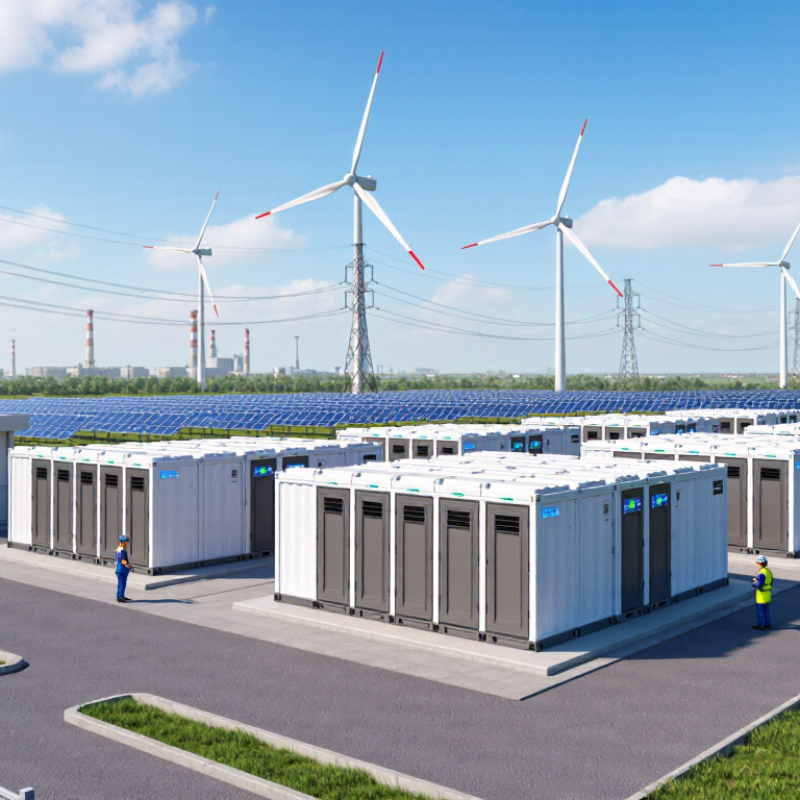
What Are Stationary Energy Storage Systems?
What Are Stationary Energy Storage Systems?
Stationary energy storage systems are fixed installations that store electricity for later use. Unlike portable batteries, they remain connected to a building, grid, or renewable power site. Their main parts include battery modules, power conversion equipment, monitoring controls, and protective enclosures. These systems can balance solar production, reduce peak demand, provide backup power, and support grid stability. A storage system does not create electricity. It moves energy across time. That difference is important when comparing system performance and value.
Global buyers should examine usable capacity, power output, round-trip efficiency, operating temperature, and expected service life. Safety design also matters, including thermal monitoring, ventilation, fire protection, and emergency shutdown functions. Installation conditions can change real performance. Dust, humidity, weak grid connections, and limited maintenance access may reduce reliability. A low purchase price can be misleading. Long-term costs include replacement parts, software support, inspections, and energy losses. No system is perfect. Even accurate forecasts can miss unusual weather or demand changes.
Tips: Match storage duration to the application. Short-duration systems may handle daily peak demand, while longer-duration systems can support extended outages or renewable variability. Ask suppliers for verified test data, warranty conditions, degradation assumptions, and local service capabilities. Request clear answers. Fancy specifications alone do not guarantee dependable operation.
How Stationary Energy Storage Systems Work
How Stationary Energy Storage Systems Work
Stationary energy storage systems store electricity for later use in homes, commercial buildings, factories, and grid facilities. Most systems use battery cells connected in modules and racks. During charging, electricity enters through a power conversion system, which changes alternating current into direct current. The battery management system monitors voltage, temperature, and state of charge. It also balances individual cells to reduce safety risks and uneven aging.
When demand rises, the process reverses. Stored direct current becomes alternating current, then supplies local equipment or the wider grid. An energy management system decides when to charge, discharge, or remain idle. It considers electricity prices, renewable generation, backup needs, and operating limits. Thermal controls help maintain suitable temperatures, especially inside outdoor enclosures. In real projects, performance rarely matches a simple datasheet. Cable losses, weather, maintenance, and battery degradation all matter. A system can look efficient on paper yet deliver less usable energy after several years. Commissioning tests and regular inspection provide more reliable evidence than assumptions.
Tips: Check usable capacity, not only rated capacity. Ask about round-trip efficiency, warranty conditions, fire protection, ventilation, and emergency shutdown procedures. Leave space for service access. Review local grid requirements before installation. Small oversights can become expensive. Good records help operators find abnormal temperatures, unusual power changes, and declining capacity early. Safety settings should be tested under realistic operating conditions, not merely accepted during paperwork.
Key Types of Stationary Energy Storage Technologies
Top 10 Stationary Energy Storage Systems for Global Buyers
Key Types of Stationary Energy Storage Technologies
Stationary storage supports renewable power, backup supply, and grid balancing. Buyers should match each technology with climate, cycling needs, safety controls, and project duration.
Lithium-ion systems deliver high energy density and fast response. They fit solar sites, factories, and urban substations. Lead-acid remains practical for low-cost backup, although frequent cycling shortens its service life. Sodium-ion systems may perform well where material availability and cold-weather operation matter. Flow batteries use liquid electrolytes in separate tanks. Their capacity can expand with larger tanks. Nickel-based batteries offer strong durability, but their higher cost limits some projects.
Mechanical systems solve different problems. Pumped hydro stores electricity by moving water between reservoirs. It needs suitable land and long construction periods. Compressed-air storage uses underground space and often supports long-duration discharge. Flywheels respond within seconds, making them useful for frequency control. They store less energy, though. Thermal storage holds heat or cold, often using molten salts or chilled water. It can reduce peak cooling demand in large buildings.
Hydrogen storage converts electricity into hydrogen through electrolysis. Fuel cells can later produce electricity during extended outages. Round-trip efficiency is lower than many battery systems. That matters. Project teams should also examine fire separation, ventilation, monitoring, maintenance access, and local grid rules. Performance estimates can look perfect on paper, but dust, heat, and poor commissioning may change the result. Even experienced buyers should treat degradation assumptions as working estimates, not promises.
Top 10 Stationary Energy Storage Systems for Global Buyers
Stationary energy storage systems are becoming essential for global power markets.
The International Energy Agency reported that global battery storage additions reached about 42 GW in 2023, nearly doubling from the previous year. This growth reflects rising renewable generation, grid congestion, and demand for flexible electricity.
Global buyers should compare ten practical system categories, including lithium-ion containers, flow batteries, sodium-ion units, thermal storage, pumped hydro, compressed-air systems, flywheels, gravity storage, hydrogen storage, and behind-the-meter batteries.
Each option serves a different duty cycle.
Lithium-ion systems suit fast frequency control and daily shifting. Flow batteries can support longer discharge periods. Thermal storage may reduce electricity costs in industrial facilities.
Cost data needs careful reading.
Lazard’s Levelized Cost of Storage Analysis, Version 10.0, shows that storage costs vary sharply by duration, location, financing, and operating profile. NREL’s 2024 Annual Technology Baseline also warns that installed costs can change significantly with project design.
Real procurement experience confirms this. A low equipment price can hide expensive fire protection, cooling, transformers, software, or grid studies.
Performance is not everything. Buyers should check round-trip efficiency, degradation guarantees, recycling plans, cybersecurity, spare-parts access, and local service capacity.
The best system on paper may fail under extreme heat or weak grid conditions. That uncomfortable detail matters. Specifications are useful, but site evidence matters more.
How to Compare and Select the Right Energy Storage System
Top 10 Stationary Energy Storage Systems for Global Buyers
How to Compare and Select the Right Energy Storage System
Comparing stationary energy storage systems requires more than checking battery capacity. Start with the project’s load profile, grid connection, climate, and expected operating hours. A two-hour system may suit peak shaving, while remote microgrids often need longer discharge periods. The International Energy Agency reported in 2024 that global battery storage capacity must expand sixfold by 2030 to support clean-power targets. That growth makes careful selection more important.
Examine round-trip efficiency, usable energy, degradation, response time, and maintenance requirements. A high efficiency rating can still disappoint if the system loses capacity quickly in hot conditions. Check thermal management, fire protection, enclosure ratings, and independent test records. Review the warranty in operating cycles, temperature limits, and capacity-retention terms. Also compare levelized cost of storage, not only the purchase price. Lazard’s 2024 storage analysis shows that project economics vary widely with duration, financing, and utilization. The cheapest offer is not always the cheapest asset.
Tips: Request a five-year operating simulation using your actual hourly load data. Ask for end-of-life capacity assumptions. Confirm spare-part access and local service skills. I have seen buyers focus on battery chemistry while overlooking connection delays and software limitations. That is an imperfect approach. Site evidence should outweigh attractive brochures. A well-designed comparison also includes noise, land area, insurance requirements, recycling plans, and future expansion space. Shortlist systems only after testing these details against independent engineering advice and local grid rules.
Top 10 Stationary Energy Storage Systems for Global Buyers
How to Compare and Select the Right Energy Storage System
The chart compares representative typical round-trip efficiency values for ten major stationary energy storage technologies. Actual performance varies with system size, operating temperature, power rating, state of charge, auxiliary loads, and project design. Buyers should also evaluate storage duration, cycle life, safety requirements, installation conditions, degradation, maintenance, and levelized cost of storage.
FAQS
It supports renewable power, backup supply, peak shaving, and grid balancing. It stays in one location.
Lithium-ion systems respond quickly and offer high energy density. They fit solar sites, factories, and urban substations.
Flow batteries suit longer discharge periods and frequent cycling. Larger electrolyte tanks can increase capacity.
Yes. Low temperatures can reduce battery output and charging performance. Sodium-ion systems may perform better in some cold conditions.
Include cooling, fire protection, transformers, software, grid studies, maintenance, and insurance. Cheap equipment can create expensive surprises.
A two-hour system may support peak shaving. Remote microgrids often need longer discharge periods.
No. Heat, dust, weak grids, and poor commissioning can reduce actual results. Paper performance is not the whole story.
Review fire separation, ventilation, monitoring, enclosure ratings, and maintenance access. Keep clear inspection paths.
Capacity may decline faster in hot conditions or during heavy cycling. Treat estimates as working assumptions, not promises.
Thermal storage holds heat or chilled water. It can reduce peak cooling demand in large buildings. Sometimes, that is enough.
Conclusion
Stationary Energy Storage Systems are fixed installations designed to store electricity and release it when needed, helping homes, businesses, utilities, and industrial facilities improve energy reliability, reduce peak-demand costs, and make better use of renewable power. These systems typically charge from the grid or local generation, manage stored energy through a control system, and discharge it according to demand, pricing, or backup requirements. Common technologies include lithium-based batteries, flow batteries, lead-acid batteries, hydrogen storage, thermal storage, pumped hydro, compressed air, and other emerging solutions.
For global buyers, selecting the right system requires more than comparing capacity. Important factors include response speed, cycle life, safety features, operating environment, efficiency, scalability, maintenance needs, installation requirements, and total lifecycle cost. The ideal solution should match the application’s load profile, renewable-energy goals, grid conditions, and regulatory environment. A careful comparison of performance, reliability, integration flexibility, and long-term value can help buyers choose a practical and future-ready energy storage system.