

MKI Energy Technology Blog and Industry Insights
MKI Energy Technology Co., Ltd.

Blog & Technical Insights

Stay updated with the latest technological developments, industry insights, and news on Lithium Iron Phosphate (LFP) batteries and custom energy solutions.

0%

Choosing Lithium Iron Phosphate Power Cells is crucial for various applications. These cells are known for their safety, long cycle life, and thermal stability. Understanding their features can help in making informed decisions.

The market offers numerous options for Lithium Iron Phosphate Power Cells. Evaluating capacity, voltage, and discharge rates is essential. Different applications may require unique specifications.

Many users overlook the importance of compatibility with existing systems. Inadequate research can lead to underperformance or safety hazards. Ensure you examine manufacturer reliability and product reviews to make confident choices.
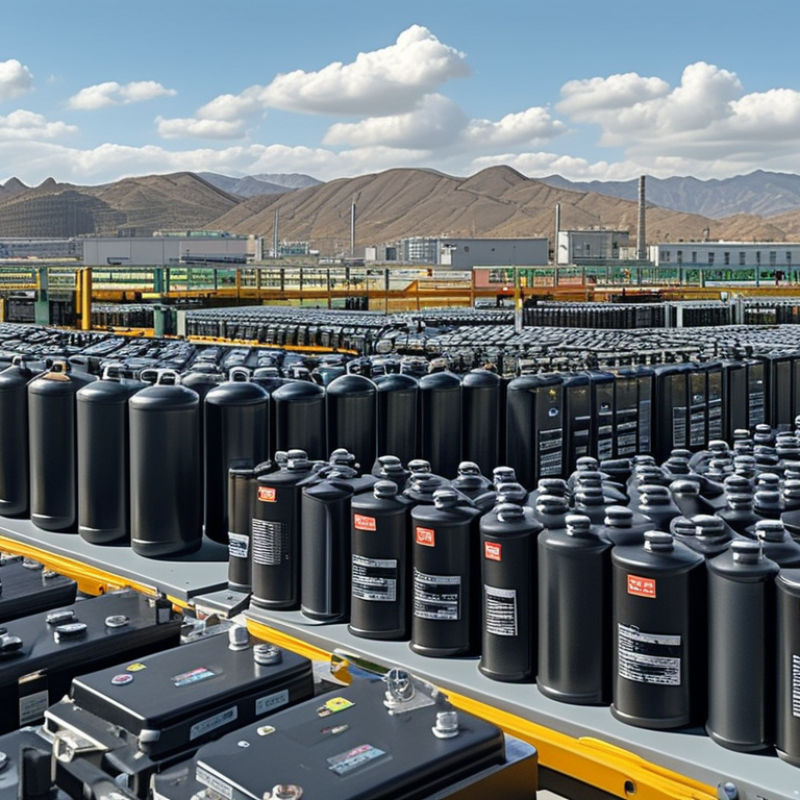
2026 How to Choose Lithium Iron Phosphate Power Cells?

Understanding Lithium Iron Phosphate Power Cells: A Comprehensive Guide

Lithium iron phosphate (LiFePO4) power cells have gained popularity for their safety and efficiency. When choosing these cells, it's essential to understand their unique properties. They provide stable performance and long cycle life. Their thermal stability significantly reduces the risk of overheating, making them a reliable option for many applications. Yet, some users might find them less energy-dense compared to other lithium technologies.

Considering the application is crucial. For solar systems, electric vehicles, or backup power, the right capacity matters. Different energy needs call for varied solutions. Users should think about how often the cells will be charged and discharged. The environment also plays a role; extreme temperatures can affect performance. People sometimes overlook these factors, leading to underperformance.

Quality matters when selecting power cells. Check for certifications and transparent testing results. These indicators help establish credibility. However, even reputable choices may come with limitations. No cell is perfect. Some might need more frequent maintenance. A thorough understanding will lead to a better decision, ensuring that the investment suits your specific needs.

Key Criteria for Selecting Lithium Iron Phosphate Power Cells

When selecting Lithium Iron Phosphate (LiFePO4) power cells, several key criteria should be considered. The capacity of the cells plays a crucial role in their overall performance. High-capacity cells can store more energy, leading to longer usage periods. However, selecting cells based solely on capacity may not be wise without considering other factors. Depth of discharge is equally important. Cells that can be discharged deeper without damage often have a longer lifespan. It's essential to balance capacity with discharge characteristics for optimal performance.

Another critical aspect is the thermal management of the cells. LiFePO4 cells are known for their safety, but improper thermal management can still lead to inefficiencies. Ensure that the cells operate within the recommended temperature range. This can prevent overheating and enhance battery life. Look for cells with built-in thermal regulation features or invest in external cooling solutions.

Additionally, the cycle life of the cells should not be overlooked. Quality cells can endure numerous charge and discharge cycles, which reflects their reliability over time. It’s wise to assess the expected cycle life and warranty information provided by manufacturers. However, be cautious, as this information can sometimes be exaggerated. Gather information from various sources to make a balanced decision, recognizing that each choice has its trade-offs.

Performance Metrics: Voltage, Capacity, and Cycle Life Considerations

When choosing lithium iron phosphate (LiFePO4) power cells, performance metrics play a crucial role. Voltage is one of the key specifications that define how effectively a battery can perform. Typically, a nominal voltage of 3.2 to 3.3 volts per cell is common in LiFePO4 batteries. Understanding the implications of voltage is essential for matching the battery with the intended application. An improperly matched voltage can lead to inefficient operation or even damage.


Capacity is another critical metric, reflecting the total amount of energy a battery can store. It is usually measured in ampere-hours (Ah). Higher capacity means longer usage time per charge, which is vital for applications requiring sustained energy output. However, higher capacity cells may come at a higher cost. Evaluating your energy needs versus budget is essential here, as it may compel you to compromise on either performance or expense.


Cycle life, defined as the number of complete charge and discharge cycles a battery can undergo before its capacity significantly declines, varies among lithium iron phosphate cells. Generally, LiFePO4 cells offer a cycle life of up to 2,000 cycles. Still, real-world usage often reveals inconsistencies due to factors like charging speed and operating temperature. Choosing a cell that balances cycle life with other performance metrics, such as voltage and capacity, can be challenging. Each application may call for different trade-offs, emphasizing the need for careful evaluation.

Evaluating Safety Features: Thermal Stability and Battery Management Systems

When choosing lithium iron phosphate (LiFePO4) power cells, safety features stand out as critical. Thermal stability is a core aspect. Reports indicate that LiFePO4 batteries exhibit superior thermal stability compared to other lithium-ion chemistries. They can operate safely up to 300 degrees Celsius. This high thermal threshold reduces risks of thermal runaway, a common hazard in battery technology.

Battery management systems (BMS) enhance safety by monitoring temperature and voltage in real-time. Effective BMS can prevent overcharging, a scenario that can lead to dangerous conditions. Recent industry analyses show that batteries with advanced BMS can reduce failure rates by up to 50%. This suggests that integrating robust management systems can significantly improve overall safety.

Not all LiFePO4 batteries are created equal. Some may lack comprehensive BMS features. This can compromise safety, making it essential to evaluate manufacturers’ specifications carefully. Data from recent studies raise concerns about how well some batteries handle extreme conditions. It is crucial to examine these specifications and performance metrics to ensure reliability. Understanding these elements can lead to better decision-making in battery selection, ultimately influencing the performance of the overall system.

Evaluation of Lithium Iron Phosphate (LiFePO4) Power Cells: Safety Features Comparison

This bar chart evaluates various safety features of lithium iron phosphate power cells, including thermal stability, battery management system efficiency, overcharge protection, and cycle life stability. Each feature is rated on a scale from 1 to 10, with higher values indicating better safety performance.

Cost Analysis: Comparing Lithium Iron Phosphate to Other Battery Technologies

When considering battery technologies, cost analysis becomes crucial. Lithium Iron Phosphate (LiFePO4) cells offer a unique balance between price, performance, and lifespan compared to other options. Their upfront cost is often lower than traditional lithium-ion batteries. However, this advantage can fade based on specific application requirements.

LiFePO4 batteries excel in terms of thermal stability and safety, which can result in lower long-term costs. Their longer cycle life can reduce replacement frequency. This is something to ponder: while they may have a higher initial investment, their durability might offer savings over time.

On the flip side, charging times can be longer. This may impact applications that require quick turnaround. Understanding these nuances is essential for making informed decisions. The cost factor isn't just about the initial price; it's about the total cost of ownership over time. Evaluating these aspects is vital when choosing the right power cell for your needs.

FAQS

: What are lithium iron phosphate power cells known for?

: They are recognized for their safety and efficiency in various applications.

How does thermal stability affect lithium iron phosphate cells?

It significantly reduces the risk of overheating, ensuring safer operation.

Why is capacity important when selecting power cells?

Higher capacity means more energy storage, leading to longer usage periods.

What should users consider regarding cell discharge?

Depth of discharge affects lifespan; deeper discharges can be beneficial.

Why is thermal management crucial for power cells?

Proper thermal management prevents overheating and enhances battery efficiency.

How do battery management systems improve safety?

They monitor temperature and voltage, preventing overcharging and related hazards.

Are all lithium iron phosphate batteries the same in terms of safety?

No, some lack comprehensive safety features which can affect reliability.

What can affect the performance of lithium iron phosphate cells?

Environmental factors, such as extreme temperatures, can impact their efficiency.

How important is it to check certifications for power cells?

Certifications indicate quality and reliability, but still, limitations exist.

What should users beware of when assessing battery specifications?

Manufacturer claims can be exaggerated; always gather information from multiple sources.

Conclusion

Lithium Iron Phosphate Power Cells have gained significant attention for their unique characteristics and advantages in energy storage applications. This comprehensive guide explores essential criteria for selecting these power cells, including key performance metrics such as voltage, capacity, and cycle life, which play a crucial role in determining their efficiency and longevity. Safety features, particularly thermal stability and advanced battery management systems, are also analyzed to ensure reliable operation in various environments.

Additionally, a cost analysis compares Lithium Iron Phosphate Power Cells with other battery technologies, highlighting their economic viability. By understanding these fundamental aspects, users can make informed decisions when choosing Lithium Iron Phosphate Power Cells for their energy needs, ensuring optimal performance and safety in their applications.

Noah

Noah

Noah is a dedicated marketing professional with a profound expertise in the company's product offerings. With a keen understanding of market trends and customer needs, he is committed to enhancing the brand's visibility and credibility. Noah frequently updates the company’s professional blog,......