

Blog & Technical Insights
Stay updated with the latest technological developments, industry insights, and news on Lithium Iron Phosphate (LFP) batteries and custom energy solutions.
How to Choose 18650 LFP Energy Cells for Global Buyers?
Table of Contents
- 18650 LFP Energy Cell Basics and Key Technical Terms
- How to Define Your Application and Energy Storage Requirements
- How to Compare Capacity, Voltage, Cycle Life, and Safety Ratings
- How to Verify Cell Quality, Certifications, and Supplier Reliability
- How to Evaluate Costs, Logistics, and Global Import Requirements
- FAQS
- Conclusion
- Related Posts
Choosing 18650 LFP Energy Cells requires more than comparing capacity figures on a supplier’s webpage. Global buyers must examine chemistry, manufacturing consistency, safety evidence, and long-term service expectations. An 18650 LFP cell typically offers a nominal voltage near 3.2 volts, strong thermal stability, and dependable cycle performance. However, specifications vary between manufacturers and production batches.
Small details matter.
A practical evaluation should begin with the datasheet, then move to independent samples and factory records. Check capacity at the stated test conditions, internal resistance, discharge temperature range, cycle-life definition, and acceptable voltage limits. Ask for batch traceability, quality-control procedures, and relevant test documentation, such as UN 38.3 transport testing or applicable IEC reports. Certifications should be verified for the intended market, not accepted as decorative logos.
Battery expert Dr. Jeff Dahn has said, “The battery is the most important component in an electric vehicle.” His point also applies to stationary storage and industrial systems. A weak cell can reduce the performance of an entire battery pack. Buyers should therefore assess supplier experience, production stability, warranty language, and technical support before signing a large contract.
There is no perfect cell.
A lower-cost option may appear attractive but create hidden expenses through imbalance, early capacity loss, or difficult after-sales service. Even experienced buyers can misjudge a supplier when laboratory data replaces field validation. This guide helps global purchasers compare 18650 LFP Energy Cells with a clearer, evidence-based process. It also highlights the questions that reliable suppliers should answer without hesitation.
18650 LFP Energy Cell Basics and Key Technical Terms
How to Choose 18650 LFP Energy Cells for Global Buyers?
18650 LFP Energy Cell Basics and Key Technical Terms
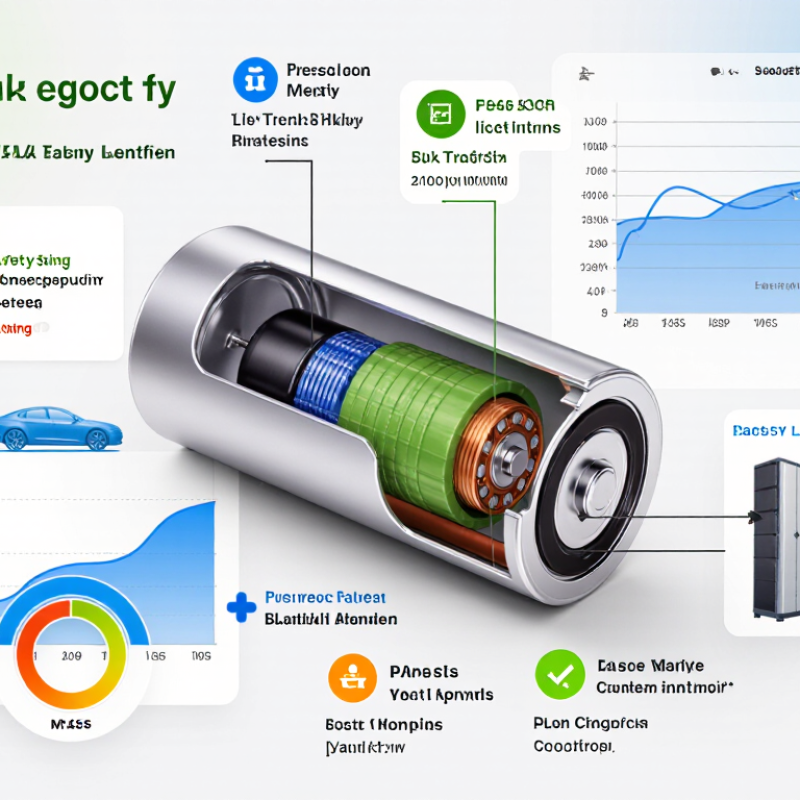
An 18650 cell measures approximately 18 mm by 65 mm. LFP chemistry usually offers a nominal voltage of 3.2 V. Capacity is expressed in ampere-hours, such as 1.5 Ah or 2.5 Ah. Energy equals voltage multiplied by capacity. A 2.5 Ah cell stores roughly 8 Wh.
The numbers need context. C-rate describes charging or discharging speed. A 1C discharge means 2.5 A for a 2.5 Ah cell. Internal resistance affects heat, voltage drop, and usable power. Cycle-life claims often depend on temperature, depth of discharge, and testing rules. The International Energy Agency reported that LFP reached about 40% of the global electric-car battery market in 2023. BloombergNEF reported an average lithium-ion pack price of 115 US dollars per kWh in 2024. These figures support LFP’s cost appeal, but they do not guarantee every cell’s quality.
Tips: Request capacity curves, resistance records, batch data, and independent test results. Check consistency across samples, not only one impressive cell. Confirm storage temperature, recommended charging limits, and protection requirements. For international projects, review applicable transport and safety documentation, including UN 38.3 and IEC 62619 where relevant. A lower price may hide weaker consistency. I would also question unusually high cycle-life claims, because real installations rarely match laboratory conditions exactly.
How to Define Your Application and Energy Storage Requirements
Choosing 18650 LFP energy cells begins with the application, not the cell catalogue. Start with the load. Record the device’s working voltage, peak current, daily operating hours, and expected backup time. A small pump may draw modest power continuously, while a motor creates a sharp starting surge. That difference changes the cell count and protection design.
Map the real environment. Note indoor or outdoor installation, ambient temperature, dust, vibration, and available charging time. LFP chemistry offers strong thermal stability, but performance still falls in cold conditions. Measure the lowest expected temperature instead of relying on an annual average. Define the cycle target too. A cabin battery used every weekend needs a different design from a telecom backup used daily. Small errors matter.
Use measured data and verified documentation. Check nominal voltage, capacity at the stated test rate, continuous and pulse discharge limits, internal resistance, cycle-test conditions, and storage recommendations. Cells with matching specifications may behave differently after assembly. Request traceable test reports and inspect samples for dimensions, terminal quality, and damage. Build a trial pack, then test it under the actual load profile. I would not size only from watt-hours; that shortcut can hide voltage sag, heat, and aging. Leave practical room for capacity loss, but avoid excessive oversizing because it increases cost and unused weight. Safety controls, transport requirements, and local electrical rules must be reviewed before production.
How to Compare Capacity, Voltage, Cycle Life, and Safety Ratings
Choosing 18650 LFP energy cells requires more than comparing the largest number on a datasheet. Capacity should be checked in ampere-hours and watt-hours. A typical LFP cell has a nominal voltage near 3.2 volts, with charging commonly limited to 3.65 volts. Multiply voltage by capacity to estimate usable energy. Then review the test temperature, discharge current, and cutoff voltage. A 3,000 mAh result at 0.2C may fall sharply under a 5C load. Small details matter.
Cycle life claims need strict conditions. Some suppliers report 2,000 to 4,000 cycles, but the result depends on depth of discharge, temperature, and remaining capacity threshold. The U.S. Department of Energy Battery Test Manual recommends controlled procedures because test conditions can change conclusions. The International Energy Agency reported that LFP chemistry represented about 40% of global electric-car battery deployment in 2023, showing its growing practical relevance. For safety, look for evidence linked to IEC 62619, UL 1973, and UN 38.3, rather than accepting vague “safe” wording. These standards address different risks. A certificate is not a lifetime guarantee. A spreadsheet can still lie. Experienced buyers should request batch records, internal-resistance data, and sample testing. I would also question unusually high capacity claims. Cheap cells may pass one test and disappoint after installation.
How to Choose 18650 LFP Energy Cells for Global Buyers?
How to compare capacity, voltage, cycle life, and safety ratings using practical engineering reference values.
Safety verification: LFP chemistry generally has better thermal stability than nickel-rich lithium-ion chemistries, but safety still depends on cell construction, protection circuitry, manufacturing quality, and operating conditions. Global buyers should verify applicable UN 38.3 transport testing, IEC 62133-2, UL 1642 or UL 1973 where relevant, safety data sheets, traceability, and test reports for the target market.
How to Verify Cell Quality, Certifications, and Supplier Reliability
How to Choose 18650 LFP Energy Cells for Global Buyers?
Selecting 18650 LFP cells requires more than comparing price and capacity. Ask for recent test reports, production dates, and full batch traceability. A reliable supplier should provide voltage, capacity, internal resistance, and cycle-life data from controlled testing. Check whether samples match the mass-production cells. Small differences can become serious after thousands of cells are assembled.
Verify certifications for your target market, not just a certificate image. Request the certificate number, issuing laboratory, test standard, and validity date. Standards may include IEC 62619, IEC 62133-2, UN 38.3, or regional requirements. Independent laboratory verification is valuable when documents appear incomplete. Safety data should cover thermal performance, charging limits, transport, and abnormal-use testing.
Tips: Inspect sample labels, weld points, and insulation by hand. Measure several cells with the same equipment. Compare results against the supplier’s report. Ask how rejected cells are controlled. A factory that avoids this question deserves caution. Also review business records, export experience, response times, and after-sales procedures. One weakness does not prove unreliability, but repeated vague answers are meaningful. Perfect paperwork is not enough; physical samples and consistent records matter more. A careful buyer should keep questioning the process, because even experienced teams can overlook a mixed batch.
How to Evaluate Costs, Logistics, and Global Import Requirements
How to Choose 18650 LFP Energy Cells for Global Buyers?
How to Evaluate Costs, Logistics, and Global Import Requirements
A low cell price can hide expensive testing, packaging, and customs delays. Compare cost per usable watt-hour, not cost per piece. Use rated voltage, tested capacity, and a realistic usable-capacity factor. Ask for batch-level capacity and internal-resistance data. Supplier samples may perform well, while later production varies. That risk needs checking.
Request sample cells before placing a large order. Test capacity, voltage consistency, temperature rise, and physical dimensions. Record the lot number and retain test results. A spreadsheet may look accurate, but freight damage and port delays remain difficult to predict. I would leave a contingency margin for these uncertainties. It is not elegant, but it is practical.
Shipping choices affect both cost and timing. Sea freight usually suits larger volumes, while air transport may involve stricter battery procedures and higher charges. Confirm approved packaging, labeling, and transport conditions with the carrier. Import files may include commercial invoices, packing lists, safety data, and UN 38.3 test summaries. Battery classification and customs requirements can differ by destination. Check the applicable rules with a qualified customs broker before shipment. Also verify HS classification, importer details, insurance coverage, and warehouse temperature conditions. A cheaper shipment is not useful if clearance documents are incomplete.
FAQS
Start with the device, not the cell catalogue. Record voltage, peak current, daily operating hours, and backup time. A small pump draws steadily. A motor may demand a sharp starting surge. That surge can change the cell count and protection design. I once underestimated startup current. The pack became unreliable.
Record indoor or outdoor placement, temperature, dust, vibration, and charging time. Measure the lowest expected temperature. Do not use only the annual average. LFP chemistry is thermally stable, but cold conditions reduce performance. A battery near a cold metal wall may lose useful output.
Multiply nominal voltage by capacity in ampere-hours. A typical LFP cell has about 3.2 volts nominally. Charging commonly reaches about 3.65 volts. Check usable energy, not only the headline capacity. A 3,000 mAh result at a light test rate may fall during heavy discharge. The number can look better than reality.
Check continuous and pulse discharge limits. Compare them with the device’s normal current and starting surge. Review voltage sag and internal resistance. Test the cells under the actual load profile. A spreadsheet is not enough. Measure the heat, voltage drop, and recovery time.
Cycle life depends on depth of discharge, temperature, current, and the final capacity threshold. Reported figures may range from 2,000 to 4,000 cycles. Those figures are not universal promises. Ask how the test was performed. A weekend cabin battery and daily backup system need different targets.
Request traceable test reports and batch records. Review evidence for electrical, transport, and system-level safety requirements. Confirm the protection design before production. A certificate is not a lifetime guarantee. Inspect terminals, dimensions, insulation, and visible damage. Safety wording without test details deserves doubt.
Yes, build a small trial pack first. Test it with the real load, charging schedule, temperature, and expected backup period. Check cell balance, heat, voltage sag, and capacity loss. Matching specifications do not guarantee matching behavior. Small errors matter.
Leave practical room for aging and capacity loss. Avoid excessive oversizing because it adds cost and unused weight. Include charging limits and protection requirements. The exact margin depends on usage. I would not choose a large reserve without measured data. More capacity is not automatically better.
Conclusion
Choosing the right 18650 LFP Energy Cells requires a clear understanding of both battery technology and project requirements. Buyers should first learn basic terms such as nominal voltage, capacity, energy density, cycle life, discharge rate, and thermal stability. They should then define the application, expected load, operating environment, charging method, backup duration, and required service life. Comparing cells by capacity, voltage consistency, safety performance, cycle durability, and protection requirements can help ensure reliable system operation rather than focusing only on the lowest price.
Quality verification is equally important. Global buyers should review test reports, production consistency, traceability, certifications, and supplier quality-control procedures. Sample testing and clear technical documentation can reduce the risk of receiving unsuitable or inconsistent cells. In addition, buyers should evaluate total cost, packaging, transport conditions, customs documentation, import requirements, and after-sales communication. A dependable supplier should provide transparent specifications and support safe, compliant delivery for the intended energy-storage application.

Blog Tags: