

MKI Energy Technology Blog and Industry Insights
MKI Energy Technology Co., Ltd.

Blog & Technical Insights

Stay updated with the latest technological developments, industry insights, and news on Lithium Iron Phosphate (LFP) batteries and custom energy solutions.

0%

As the demand for efficient energy storage continues to rise, the focus on 26650 LFP Power Cells has intensified. These cells, known for their high energy density and long life cycle, play a crucial role in various applications, from electric vehicles to renewable energy systems. With advancements in technology and manufacturing, Chinese companies are leading the charge in producing high-quality 26650 LFP Power Cells.

The global market is increasingly reliant on these power cells. Their lithium iron phosphate chemistry offers safety benefits and environmental sustainability. However, buyers should consider aspects like supplier reliability and production capacity when making purchasing decisions. While many manufacturers boast impressive statistics, quality assurance remains essential.

The landscape of 26650 LFP Power Cells is competitive, yet some brands stand out as authorities in the field. Understanding the nuances of these cells is vital for buyers. There are still challenges to address, such as performance variations and supply chain stability. Engaging with experienced suppliers who prioritize transparency can lead to better outcomes.
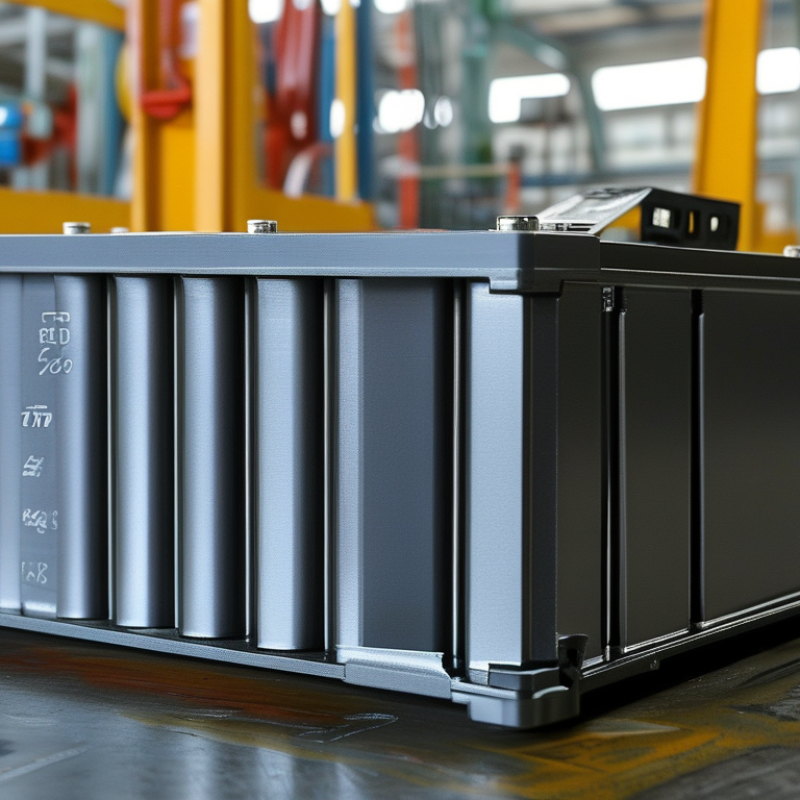
China Top 26650 LFP Power Cells for Global Buyers?

China's Dominance in 26650 LFP Power Cell Manufacturing

China has established itself as a leader in the 26650 Lithium Iron Phosphate (LFP) power cell market. Recent reports show that over 65% of the global 26650 LFP production comes from China. This dominance is driven by advancements in manufacturing technologies and a well-established supply chain. The country's ability to produce high-quality cells at scale attracts buyers worldwide.

According to industry studies, the global demand for LFP batteries is projected to reach 200 GWh by 2025. This increase is mainly due to the rising popularity of electric vehicles and renewable energy storage. China's affordability in labor and materials aids its competitive edge. However, some challenges persist. Concerns about sourcing sustainable materials and ensuring long-term reliability remain critical.

Manufacturers are continually assessing their production processes to meet international standards. While China's growth in this sector is commendable, the reliance on foreign markets for raw materials presents risks. Companies must reflect on these dependencies as the landscape evolves. Balancing growth with environmental responsibility will be essential moving forward.

Key Features of LFP Power Cells and Their Applications

LFP (Lithium Iron Phosphate) power cells have gained traction in various industries. Their thermal stability is noteworthy. They can withstand high temperatures, reducing the risk of thermal runaway. This resilience is critical for applications like electric vehicles and stationary energy storage. According to a recent market report, the demand for LFP batteries is projected to reach 134 GWh by 2026, driven by the global push for sustainable energy solutions.

These cells offer a good balance between energy density and life cycle. With a lifespan of up to 4,000 cycles, they excel in longevity. Furthermore, LFP batteries have a lower environmental impact compared to other lithium-ion technologies. They do not use cobalt, a metal often linked to ethical mining issues. However, challenges exist. The energy density of LFP cells is lower than that of nickel-cobalt-aluminum batteries, which may limit their application in compact designs.

LFP power cells are increasingly used in renewable energy grids. They help stabilize fluctuating energy sources like solar and wind. The integration of these cells improves overall grid reliability. However, a notable drawback is that LFP batteries require a larger physical space for the same energy output. This could pose challenges for specific applications where space is at a premium.

Global Market Demand for LFP Power Cells and Trends

The global market for Lithium Iron Phosphate (LFP) power cells is vibrant and continuously evolving. Demand for these cells has surged, mainly due to their safety and thermal stability. Many industries are pivoting towards LFP as a primary choice for energy storage. Significant growth is noted in electric vehicles and renewable energy sectors. This shift reflects a broader trend emphasizing sustainability and environmental responsibility.

However, challenges exist. Not every manufacturer can meet the rising demand efficiently. Production capacity and supply chain disruptions can hinder growth. Some companies struggle with the transition to high-quality materials. It's crucial to address these inefficiencies to foster market resilience. Regulatory compliance also plays a role in determining market dynamics. Companies must navigate various safety and environmental regulations while scaling up production.

As the market matures, innovation will be key. Research into enhancing energy density and reducing costs could lead to breakthroughs. Collaborations across sectors are becoming increasingly important. These partnerships can pave the way for new technologies and improved production methods. Despite the complexities, the potential for LFP power cells remains high, promising a significant impact on the global energy landscape.

Global Market Demand for LFP Power Cells (2023)

The chart above illustrates the projected demand for LFP power cells from 2020 to 2024, showing a significant increase in demand as the market expands globally.

Advantages of 26650 LFP Cells Over Traditional Battery Types

The 26650 LFP (Lithium Iron Phosphate) power cells are gaining traction in the global battery market. Industry reports, such as those from the International Energy Agency, highlight that these cells offer higher energy density and enhanced thermal stability compared to traditional lithium-ion batteries. This makes them ideal for applications in electric vehicles and energy storage systems.

One significant advantage of 26650 LFP cells is their safety profile. They have a lower risk of thermal runaway due to their stable chemical composition. Studies indicate that LFP batteries have a cycle life of over 3000 charge cycles, which is substantially higher than the 500-1000 cycles typical for traditional batteries. This longevity can lead to reduced replacement costs and waste.

However, challenges remain. The overall energy capacity per cell is lower, which can limit applications in certain high-performance contexts. Additionally, LFP cells may require larger physical dimensions to store adequate energy. As manufacturers explore these limitations, the 26650 format continues to evolve, driven by a growing demand for sustainable and reliable energy solutions.

Challenges and Future Outlook for LFP Power Cell Industry in China

The lithium iron phosphate (LFP) power cell industry in China faces several challenges that affect its growth and competitiveness. A recent report indicates that global demand for LFP cells is expected to reach 100 GWh by 2025. This rapid expansion pushes manufacturers to enhance production efficiency and innovation. However, outdated manufacturing techniques and high production costs hinder progress. Many companies struggle to balance quality and cost-effectiveness.

Raw material supply also poses a significant issue. Reliance on imports for key components increases vulnerability to market fluctuations. In 2022, the price of lithium soared by over 200%, stressing supply chains. Such instability can disrupt production schedules and raise prices for consumers. The industry must rethink sourcing strategies to build resilience.

There is potential for growth. The global shift towards renewable energy drives interest in LFP technology. Companies should focus on developing not only their products but also their sustainable practices. Investing in research and development can lead to breakthroughs. Exploring alternative materials may create a more stable supply chain.

Assessing market trends regularly is crucial. Adjusting strategies based on data can position manufacturers favorably in a competitive landscape. Both innovation and sustainability will be instrumental in shaping the future of the LFP power cell industry.

China Top 26650 LFP Power Cells for Global Buyers: Challenges and Future Outlook for LFP Power Cell Industry in China

Cell Model Capacity (Ah) Nominal Voltage (V) Max Discharge Current (A) Cycle Life (Cycles) Applications
26650-LFP-A 3.2 3.2 30 2000 Electric Vehicles
26650-LFP-B 3.6 3.2 40 2500 Energy Storage Systems
26650-LFP-C 4.0 3.2 50 3000 Power Tools
26650-LFP-D 3.2 3.2 25 1500 UPS Systems

FAQS

: What are the main advantages of LFP power cells?

: LFP power cells offer thermal stability and longevity, with a lifespan of up to 4,000 cycles.

In which sectors are LFP batteries most commonly used?

LFP batteries are popular in electric vehicles and renewable energy storage systems.

What environmental benefits do LFP cells have?

They do not use cobalt, lowering their environmental impact compared to other lithium-ion technologies.

What challenges do LFP batteries face in terms of energy density?

LFP batteries have lower energy density than nickel-cobalt-aluminum batteries, limiting compact applications.

How does the global market for LFP cells look?

The market is growing, driven by demand for safety and sustainability in energy storage solutions.

What production issues affect the LFP power cell industry?

Outdated manufacturing techniques and high production costs hinder efficiency and quality in production.

How does reliance on imports impact LFP battery production?

Dependence on imported materials raises vulnerability to price fluctuations and supply chain disruptions.

What future strategies should LFP manufacturers consider?

Companies should focus on innovation, enhancing production methods, and exploring alternative materials for stability.

Why is market trend assessment important for LFP manufacturers?

Regular assessment helps manufacturers adjust strategies and remain competitive in the evolving landscape.

What role does collaboration play in the LFP industry?

Collaborations can foster innovation and lead to improved production methods, addressing market challenges.

Conclusion

China has established itself as a leading manufacturer of 26650 LFP Power Cells, leveraging advanced technology and production capabilities to meet the growing global demand. These lithium iron phosphate (LFP) batteries are known for their safety, longevity, and thermal stability, making them suitable for a variety of applications, including electric vehicles and renewable energy storage systems. As the market for these power cells expands, trends indicate a shift towards more sustainable energy solutions, driving further innovation in the sector.

Despite the advantages of 26650 LFP Power Cells over traditional battery types—such as higher energy density and improved lifespan—challenges remain for the industry. Factors such as supply chain constraints and increasing competition from alternative battery technologies pose hurdles for manufacturers in China. However, with ongoing advancements and a strong commitment to research and development, the future outlook for the LFP power cell industry appears promising, positioning China as a key player in the global energy landscape.

Liam

Liam

Liam is a dedicated marketing professional with extensive expertise in our company's offerings and industry. With a keen understanding of market trends and customer needs, he is passionate about showcasing the innovative solutions we provide. Liam frequently updates our professional blog with......